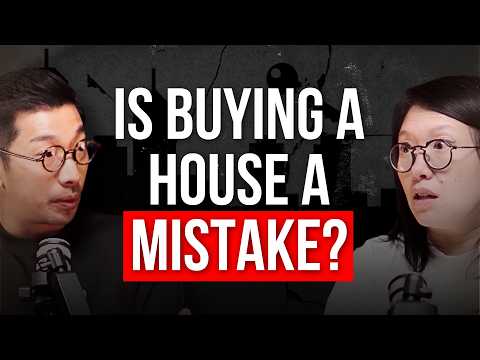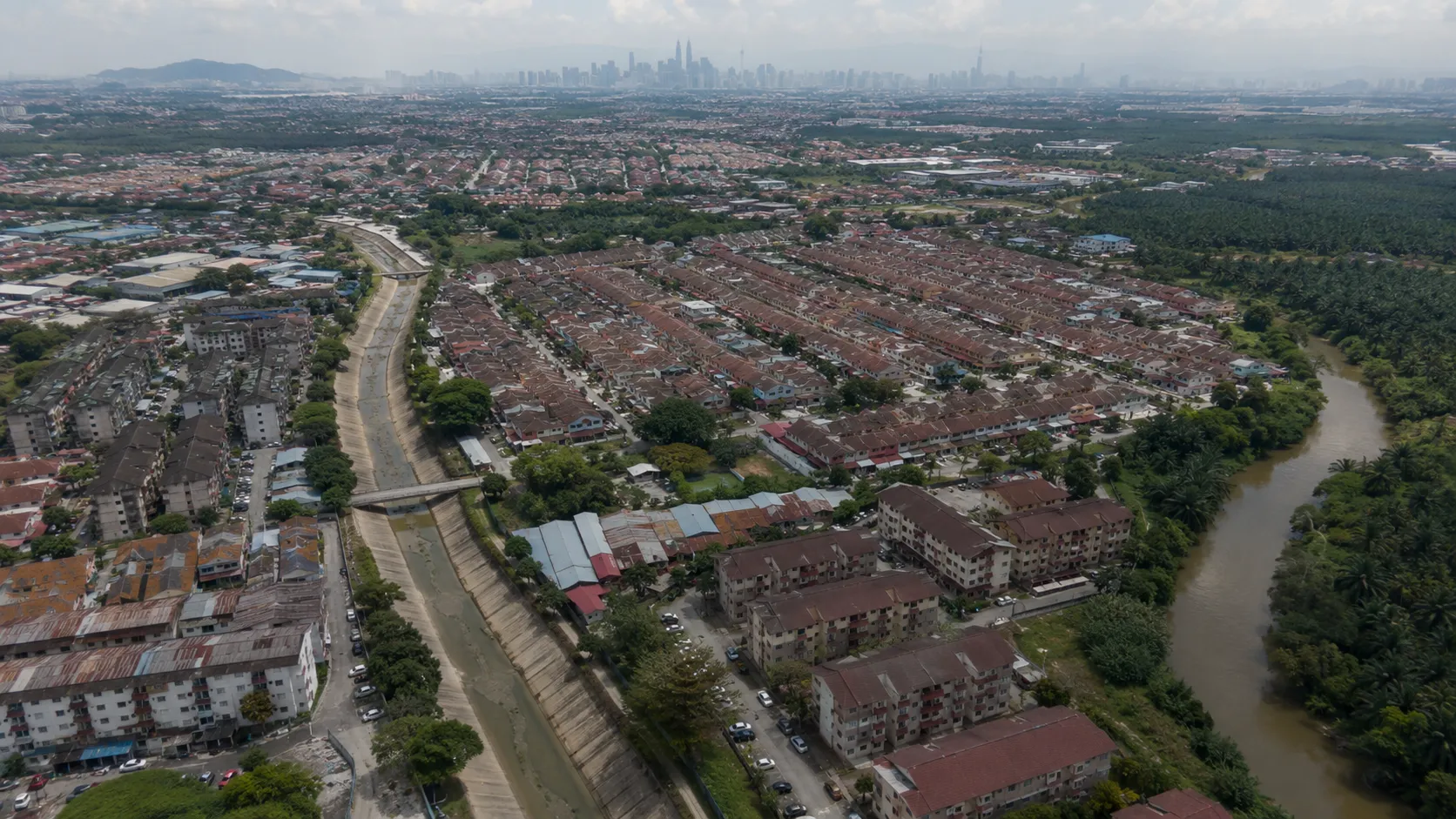
3 Money Lessons From a Malaysian Urbanist
A city-data founder spends her days measuring how Malaysians actually live. Three of her observations quietly explain why so many of us feel broke.

You do not expect money advice from someone who studies drains, bus routes and empty houses for a living. But that is more or less what I got.

In a recent Mr Money TV interview, an urbanist named Cha-ly sat down with us to talk about how Malaysians actually live. She runs a city-data company called Urban Metry, so her whole job is to measure the country in detail: housing prices, auctions, foot traffic, even which makcik is selling nasi lemak on which corner. Somewhere in that conversation, three of her observations turned out to be money lessons in disguise.
Here they are.
1. You spend more on your car than your house
In most of the world the split is boring and predictable. People spend about 11% of their income getting around and about 30% on housing. Malaysia flips it. We put 20% to almost 30% into the car and less into the roof over our heads.
That is not really a personal failing. It is a design decision made decades ago. Our cities grew up after the car did, during the 1950s boom when owning and building automobiles was the national dream. We widened the roads, subsidised the petrol, and planned neighbourhoods you basically cannot survive in without a car. The spending simply followed the concrete.
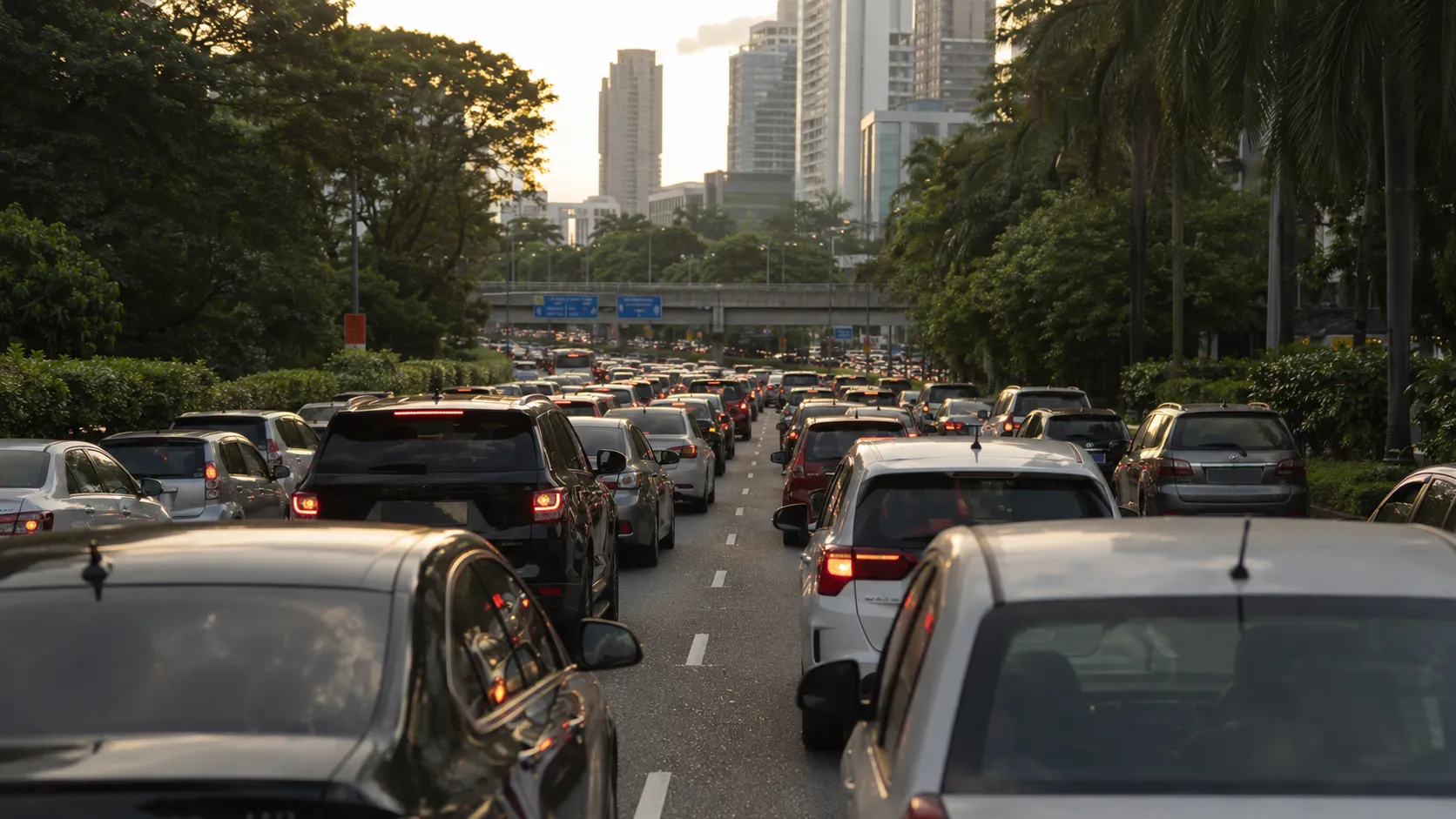
The part that stuck with me was an experiment Cha-ly ran in her own office. She offered staff RM300 a month to give up the car and commute by public transport, and covered the fare on top. For a fresh graduate on RM4,000 to RM5,000, that is almost a 10% raise before you even count what you save on instalments, road tax and fuel. Add all of it up and monthly disposable income jumped from around RM500 to about RM900. That is close to 25% more money, every month, for taking the train.
Only about a third of the eligible staff took it. The rest agonised over it.
Why turn down free money? Because in Malaysia a car has never really been about getting from A to B. It means dignity and control: proof to the folks back in the kampung that you made it, maybe in a MyVi you painted gold. Public transport, meanwhile, is starved. Cha-ly reckons we run about one in five of the buses a city this size actually needs, so choosing it can feel like surrendering your freedom rather than pocketing RM400.
So here is the uncomfortable question for your own budget. The biggest lever most young Malaysians have is not the kopi they skip or the side hustle they start at night. It is the RM800 car instalment they never stopped to question. Add up the instalment, insurance, road tax, fuel, parking and depreciation, then put that number next to the honest cost of an MRT pass and the occasional Grab. For a lot of people the gap is huge. The reason we do not act on it is emotional, and it helps to say that out loud.
There is one more twist. It is the middle-income group that clings to the car hardest. Richer countries like Japan, Korea and China only shifted towards walking and transit once they felt secure. When money is tight, the little car feels like the last comfort you refuse to give up. Once you notice that reflex in yourself, it gets easier to argue with.
2. Money is emotional. Here is how a data scientist decides anyway
Cha-ly is blunt about it. Money is emotional, she says, because you are spending it in exchange for a little bit of joy, and you cannot really put a price on joy. So how does someone who sells data for a living stop feelings from running every ringgit decision?

Three ideas from her are worth borrowing.
First, data is not a decision. Cha-ly splits it into four steps: collect, analyse, decide, act. Her company only does the first two. The trap most of us fall into is treating “I have the numbers” as if it were the same as “I know what to do.” You can research a house or a fund to death and still not have chosen anything. Gathering is not deciding.
Second, your instinct is just your own data. This reframes the tired argument between gut and spreadsheet. Your instinct feels trustworthy because you are the one who collected the evidence behind it, from your own life, so you weight it heavily. The mistake is thinking you have to pick a side. The better move is to add outside data on top of your experience so you can see your blind spots. As Cha-ly puts it, you still glance at your mirrors on a road you have driven a thousand times.
Third, and most useful, decide what you are optimising for before you collect anything. Her example is marriage. Are you optimising for emotional support, for financial security, or just for getting your mother to stop asking when you will settle down? Each answer points to a completely different read on the same person. Once you know the goal, the data you need becomes obvious. Skip that step and you end up buried in facts that answer a question you never asked.
When the stakes are high, she adds one more filter: can I survive the worst case? She plays out the ways a decision could go wrong and asks, honestly, whether she could live with each one. If she can, she goes ahead. If one path ends somewhere she genuinely could not come back from, the answer is no. Failure is fine as long as it only costs her and she gets to play again. It is how she started her own company. She put a camera up and began posting videos first, on the logic that the worst case there was simply becoming a bit famous.
3. The 1.9 million empty homes nobody is fixing
Then there is the number that should give every hopeful homeowner pause. Malaysia has around 1.9 million vacant homes. That is roughly one in five houses standing empty.
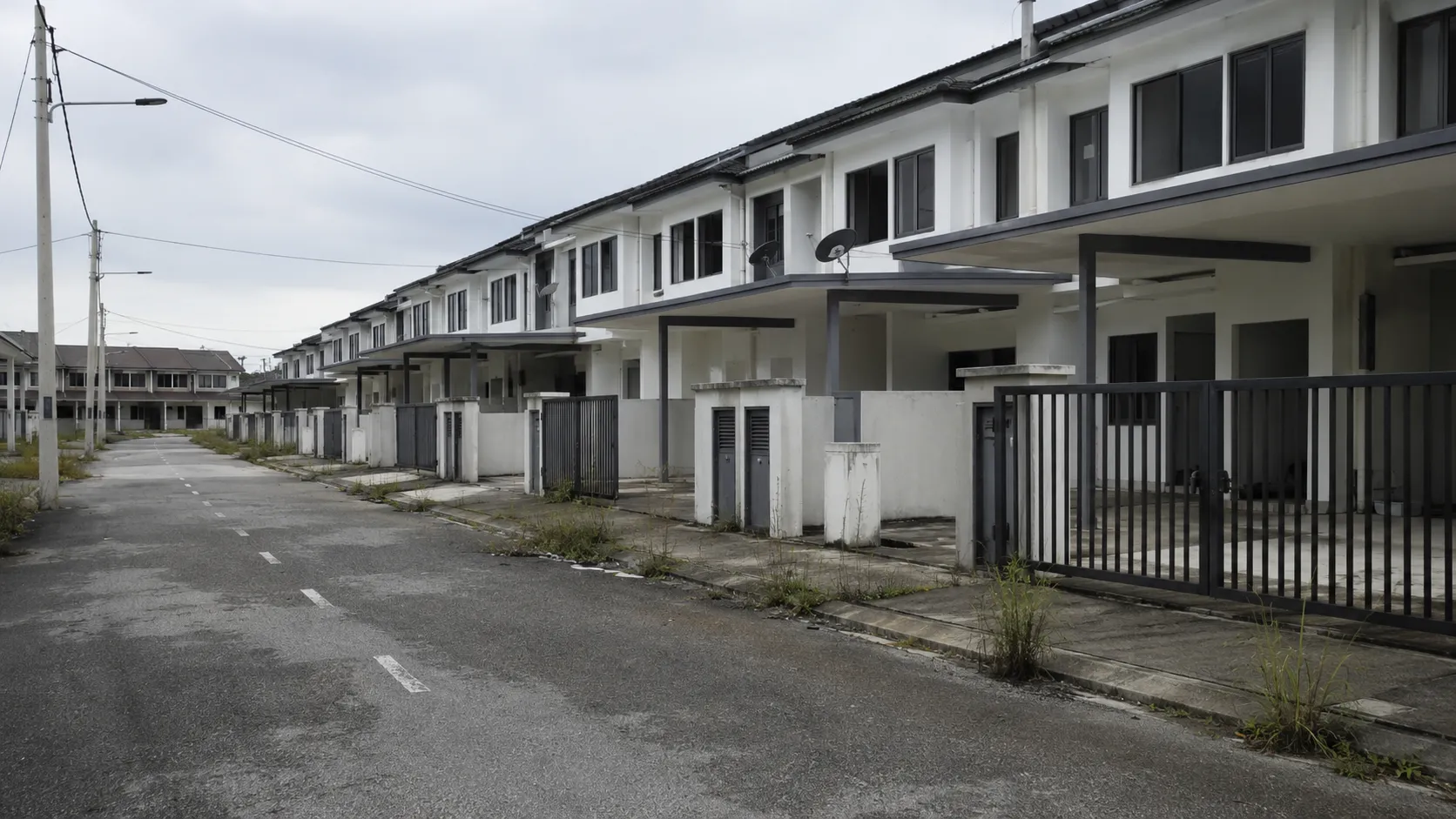
It is worth sitting with, because we tend to talk about housing purely as an affordability problem while a fifth of the stock goes unused, much of it built in the wrong place, at the wrong price, for a buyer who never showed up. Cha-ly’s real fear is more personal than a statistic. She describes taking on a 30-year mortgage and then finding out, four or five years in, that your house floods and cannot be sold, while the bank still wants its money every month. After the 2021 Klang Valley floods her team even gave away a free flood-and-landslide risk report. Hardly any ordinary buyers used it. The people most exposed rarely cross paths with a city-data company.
You do not need her software to borrow the habit, though. When someone shops for a cheap house, they instinctively do the right thing. They drive around, check whether the kopitiam has customers, whether the streets are clean, whether there is a pharmacy nearby, whether the next block is abandoned. That is data collection. The danger, Cha-ly warns, is doing it after you have already fallen for the place, when you are only hunting for reasons to say yes.
So treat a house the way a data company treats a map. Pull the boring facts first: the last transaction price, the auction history, the flood and landslide risk, what is actually going up next door. Do it before you fall in love, not after. A low price is a piece of information, not a verdict. Sometimes it points to a bargain you can renovate and flip. Sometimes it is cheap for a reason that will follow you around for 30 years. The data will not decide for you. It just stops you from signing blind.
What to actually do with this
A few practical moves come out of all this:
- Treat your car as a line in your budget, not a statement about who you are. Total up every cost it carries, compare that honestly against public transport plus the occasional Grab, and decide with the real figure in front of you.
- Before any big money decision, write down in one sentence what you are actually optimising for. Then go looking only for the information that answers it.
- Keep collecting and deciding separate. Give yourself a deadline, gather what you reasonably can, make the call, and treat the outcome as your next data point rather than a verdict on you.
- Check the neighbourhood before you commit to the mortgage. Price, flood risk, foot traffic, what is being built next door. Do it while you can still walk away.
What ties the three lessons together is not really about spreadsheets. The most expensive money mistakes in Malaysia are rarely maths problems. They are usually feelings: the car that stands in for dignity, the house we decided to love before we checked it, the gut we trust without ever glancing at the mirrors. You do not have to switch the feelings off. You just have to notice them, and let a bit of data sit in the room while you decide.
If you would rather hear it in Cha-ly’s own words, including how her team turned the empty-homes problem into a co-ownership platform called Urby, here is the full conversation.