KWAP and the eFishery scam, explained
KWAP lost US$47.7 million to eFishery. Temasek and SoftBank lost more. How a fraud running since 2018 got past every investor in the room.
The accusation is easy to make. KWAP lost RM200 million of civil servants’ pension money, so somebody at KWAP must have been careless with it.
Except Temasek was in the same deal, and so was SoftBank, and so was Abu Dhabi’s 42XFund, which led the round. PwC and Grant Thornton had audited the company. Every one of those names looked at eFishery and decided it was worth backing, and all of them were reading numbers that had been faked since 2018.
1. What KWAP actually bought
eFishery was an Indonesian aquaculture startup with a genuinely good idea. Fish farmers overfeed, because nobody can tell from the surface how hungry a pond is. eFishery built an automated feeder that dispensed on a schedule, then wrapped a business around it: feed supply, financing, and a route to market that cut out the middlemen.
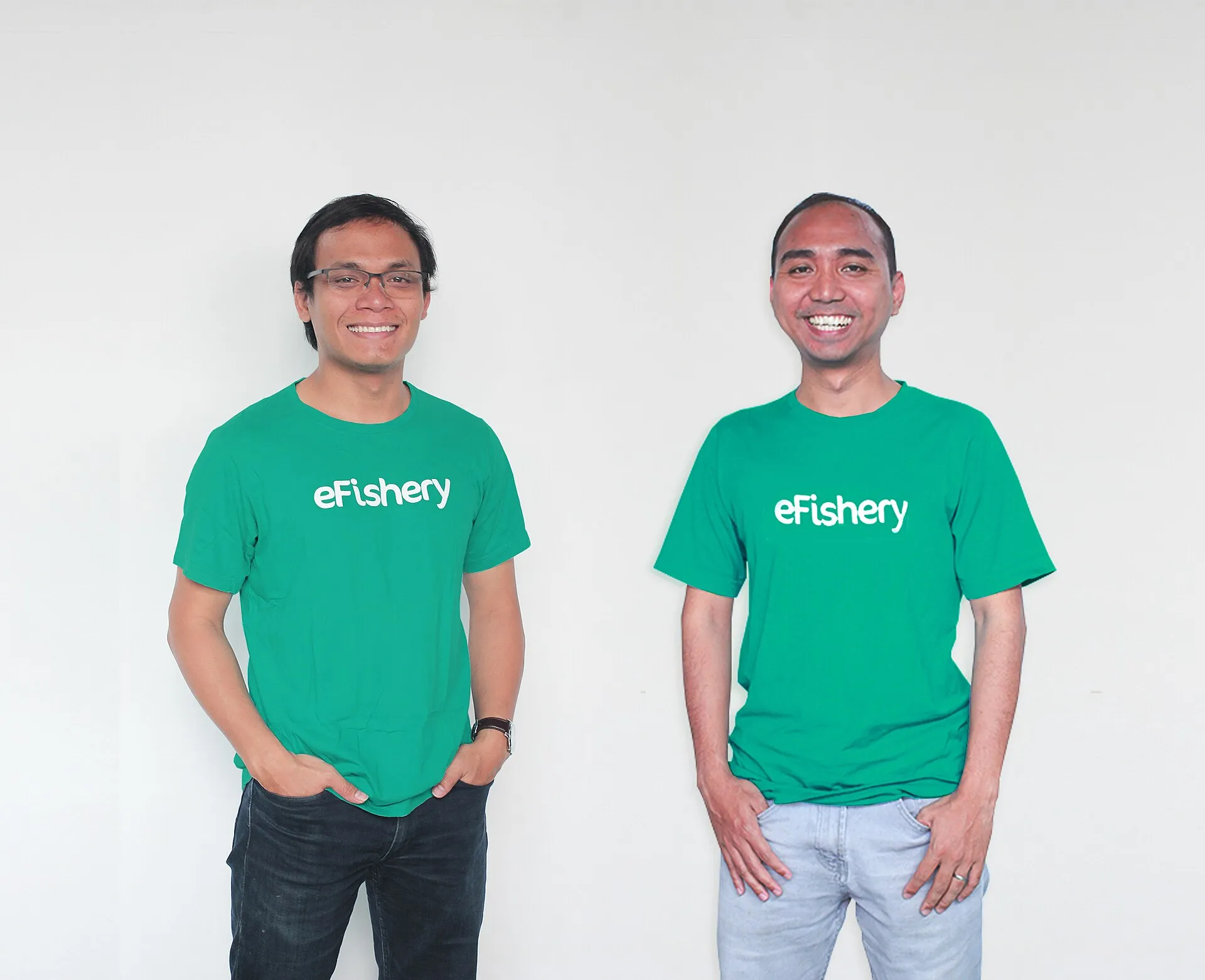
Photo: Galihusni, CC BY-SA 4.0.
The timing helped. Indonesia has 280 million people and an enormous aquaculture sector, and every fund in the region had an ESG mandate to fill, so the impact story landed. The growth story landed harder. Regional investors were hunting for the company that would digitise a big messy industry the way Grab did with transport, and eFishery looked like that company for fish farming.
In July 2023 the company raised US$200 million in a Series D led by 42XFund, at a valuation of US$1.4 billion. That made it the first aquaculture unicorn anywhere in the world. KWAP came in on that round with US$47.7 million, around RM200 million at the time. KWAP’s own statement puts its total investment at RM163.4 million for roughly 2.51% of the company, a small minority position next to the names above it on the cap table.
2. Nobody in that room caught it
When this gets retold as a Malaysian scandal, the rest of the cap table quietly drops out of the story. Temasek, Singapore’s state investor, was already a shareholder. SoftBank was in. Northstar, responsAbility and 500 Global joined the same round, and Dutch aquaculture specialist Aqua-Spark was the largest shareholder of all. These are institutions with dedicated diligence teams and sector specialists, and no shortage of money to spend on checking.
The Ministry of Finance told Parliament on 15 July that KWAP’s investment followed internal assessment, independent due diligence and verification of the financial statements by certified international auditors, and described what happened as a well planned fraud. You can read that as a government defending itself, and plenty of people did. It is still the case that every other institution in that round ran its own process on the same company and came out the same way.
3. Two sets of books and five shell companies
It started small. Around 2018 eFishery was trying to raise and the numbers were not exciting enough to close the round it wanted, so the reported numbers changed.
From that point the company ran two sets of books. The real management accounts lived in the accounting system. The version investors saw was assembled in spreadsheets, with figures pulled across and adjusted until they hit whatever the pitch deck needed. Once you do that for one round you have to keep doing it for every round after, and each year’s version has to be bigger than the last to keep the growth curve intact. By 2024 the gap was enormous.
More than three quarters of the reported sales did not exist. Holding that up needed supporting evidence, and eFishery produced it. Investigators found at least five nominee companies used to cycle money around and issue invoices for transactions that were never real.
Say a friend tells you they earn RM100,000 a month. You do not believe it, so they show you a bank statement, and there it is, RM100,000 landing every month. Then you notice the balance is RM1,000 and ask where it all went. They say they reinvest it, and show you the receipts. The money did move. The bank statement is genuine and the receipts have letterheads. Everything checks, and it is still a lie, because the money was going in a circle between accounts they controlled.
The physical count was just as bad. eFishery told investors it had more than 400,000 automated feeders deployed with farmers. When investigators went and counted, they found about 24,000. Serial numbers had been reused, so the same unit was logged three times under three different farms.
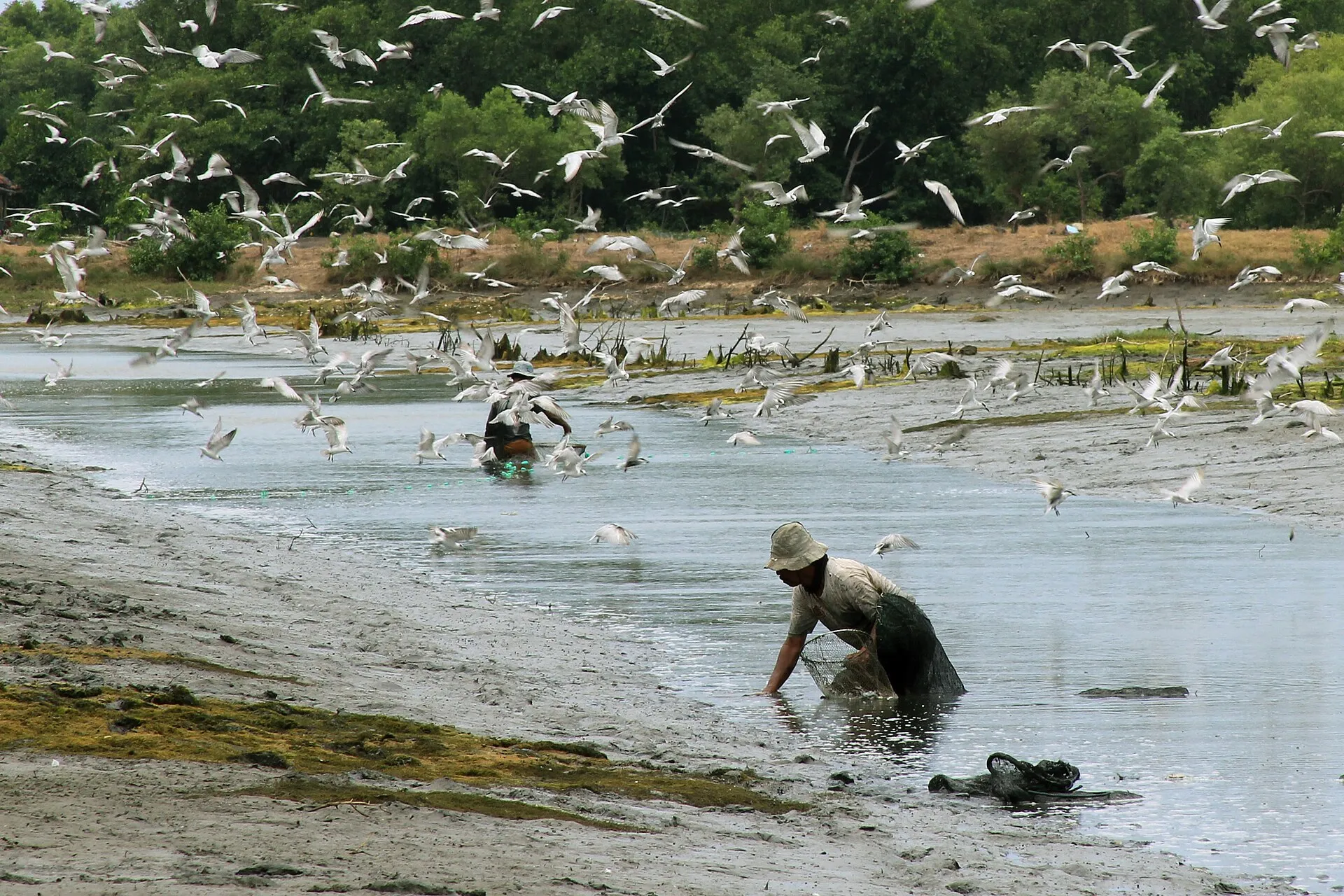
Photo: Ivuvisual, CC BY-SA 4.0.
The whole thing came apart in December 2024, and not because anybody’s process worked. A whistleblower went to a board member. The board brought in FTI Consulting, suspended the founders, and the numbers above are what the review turned up. Founder Gibran Huzaifah was sentenced to nine years by the Bandung District Court in April 2026 for embezzlement and money laundering, reduced to six years on appeal in July with the fine raised to two billion rupiah. Prosecutors have taken it to the Supreme Court.
4. Why the audits came back clean
PwC and Grant Thornton both audited this company. Neither flagged it.
An audit is not a fraud investigation. It samples transactions, confirms balances with third parties, and checks that the records are internally consistent. Feed it a coherent set of fabricated records, with real bank movements and invoices from companies that exist on paper, and it can pass. That is not a Southeast Asian problem. Enron, Wirecard and Lehman all had audit opinions signed off by large firms, and Malaysia has its own entries on that list.
There is a commercial reality underneath it too. An audit is a service the client pays for, and the client can pick from ten firms. Push too hard and there is a real chance you are not reappointed next year, which sits in the back of the mind even when nobody says it out loud. It also helps the fraudster that most of what an auditor queries turns out to be a genuine mistake, a lost receipt, a miscoded entry. The working assumption on any single anomaly is error, not crime.
Investment timelines add their own pressure. A funding round has a window. If the term sheet says two weeks to confirm, that is the diligence you get, and it will be narrower than what you would do with two months. Nobody has published the timeline KWAP worked to.
5. RM200 million against RM195 billion
KWAP manages RM195.26 billion as at end-2025. The eFishery position is about 0.1% of that, which is the number to hold on to if you are worried about your pension.
RM200 million is more money than most of us will see in a lifetime, so it does not feel small. At fund level it is a rounding entry. Large funds allocate by risk bucket, and the venture bucket exists on the understanding that some of the holdings in it go to zero. That is priced in before the cheque is written.
Funds this size also rarely write small cheques directly. The diligence process for a RM1 million investment costs roughly what it costs for a RM100 million one, so below a certain size it stops making sense to do in-house. The money goes to specialist VCs who invest it on the fund’s behalf. eFishery was the opposite case: late stage, Series D, five years past its first institutional round, with a queue of respected names already on the register. That is the profile a pension fund is supposed to prefer.
6. The question worth asking
You have every right to be annoyed. It is public money, and public money should come with an explanation.
Just aim the question properly. One position in a venture portfolio going to zero tells you very little on its own. The number to ask for is the return across the whole allocation: what KWAP’s venture and private equity book has put in, and what has come back out. KWAP reported RM8.33 billion in gross investment income for 2025 and grew the fund to RM195.26 billion. The eFishery line sits somewhere inside that figure.
That is the transparency worth pushing for, and it applies to your own money too. If you invest because Temasek invested, or because a fund you respect is on the cap table, you have not done any homework. You have borrowed somebody else’s, and in this case theirs was wrong. Every institution in that round was reading the same fabricated numbers.
What to actually do with this
- Treat a famous co-investor as one data point. Temasek, SoftBank or KWSP being on the register tells you that name got comfortable enough to sign. It does not tell you what they checked.
- Judge a fund on its whole portfolio, not its worst position. Ask for the return across the allocation before deciding anyone was careless.
- Assume documents can be manufactured. eFishery produced bank movements and invoices that survived inspection because the money genuinely moved, just in a circle.
- Check the physical claim behind the financial one. Something you can count, like units deployed or outlets open, is harder to fake than a revenue line, and it was the count that exposed eFishery.
- Understand what a clean audit opinion means. It says the records were consistent with the evidence the auditor was given. Whether management is honest is a separate question.
- Size any high-risk position as if it could go to zero. Institutions do this on purpose, which is why a fraud this size shows up as 0.1% of KWAP’s fund.
KWAP probably did follow its process, and the process was not enough. That is the uncomfortable part, and it applies to whatever you put your own money into. You do the homework because doing it beats not doing it, and you accept that a good enough liar can still get past it.
If you want the money stories that matter in Malaysia in your inbox each morning, The Coffee Break is our free daily newsletter.