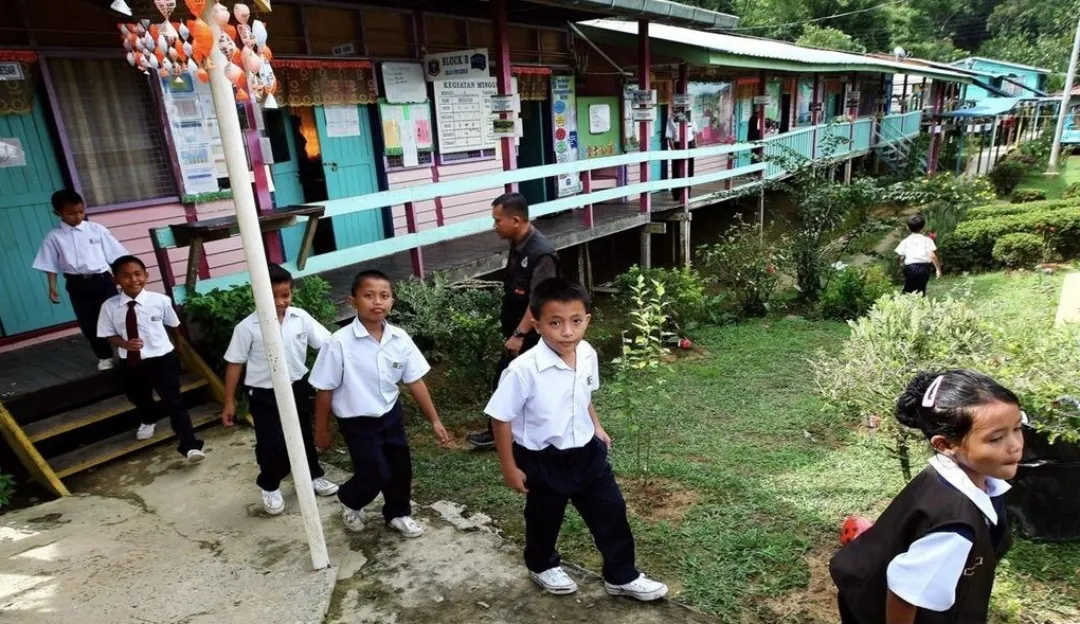
Malaysia’s Education is Lagging Behind Vietnam’s. Here's Why!
Discover why Malaysia's education system is lagging behind Vietnam's. Find out the key factors impacting student learning and how to bridge the gap.

Uh-oh! The World Bank has released a report saying that Malaysian students are not learning as much as they should. Despite lots of money being spent on the Malaysian Education System, Malaysian students are lagging behind in their studies. If we compare our country’s education system with Vietnam’s, Vietnamese students receive 10.7 years of learning within a 12.9 year schooling period, while Malaysian students spend 12.5 years in school, but the years of learning only add up to 8.9 years. Education plays a critical role in improving a country’s overall success, particularly amidst inflation and other economic challenges.
Hence, we decided to look into key reasons why Vietnam’s education is doing its students justice. Here’s what we can learn from Vietnam:
1. Government Commitment
In 2013, the Communist Party in Vietnam approved Resolution 29, a comprehensive education reform prioritising education in their socio-economic development plan. This reform focuses on stability and continuity, unlike Malaysia’s frequently changing education policies, which hinder teachers’ ability to adapt.
2. Focus on STEM and Teacher Training
Vietnam places significant emphasis on STEM subjects and provides adequate training for teachers. They revamped their syllabus and ensured teachers are equipped with innovative teaching methods, leading to a 50% increase in STEM enrollment. In contrast, many Malaysian students aspire to become social media influencers rather than pursue STEM careers.
3. Teacher Assessment and Reward System
Vietnamese teachers are regularly assessed based on student performance and are rewarded for their effectiveness. This system motivates teachers to ensure all students perform well, not just a few high achievers.
4. Teacher Workload
Malaysian teachers face a heavy administrative workload, reducing their time for effective teaching and professional development. This centralised and top-down approach often leads to irrelevant and impractical training programs.
5. Preschool Education
A weak preschool foundation in Malaysia exacerbates learning difficulties in primary school. Without compulsory and quality preschool education, many children start primary school unprepared, making it harder for them to catch up.
I’ve made a video sharing my thoughts about this topic. Particularly on how our government can make improvements in our education system. Check out the full video on our Youtube Channel!
Subscribe to our financial newsletter for the latest news, insights, and advice on personal finance, investing, and more. With every email, you’ll gather the confidence and knowledge to make informed decisions to achieve your financial goals.