Why the Ringgit Falls While SGD Soars
The ringgit slid about 10% while the SGD hit an 11-year high. Here is what is really moving it, and how it hits your wallet and your stocks.
For a few glorious months, the ringgit was the good news story. It climbed from four-something all the way into the threes, and every Malaysian planning a holiday quietly felt richer. Then, over a few weeks, it slid right back. If you are confused about how a currency can feel great one moment and worrying the next, you are not alone.
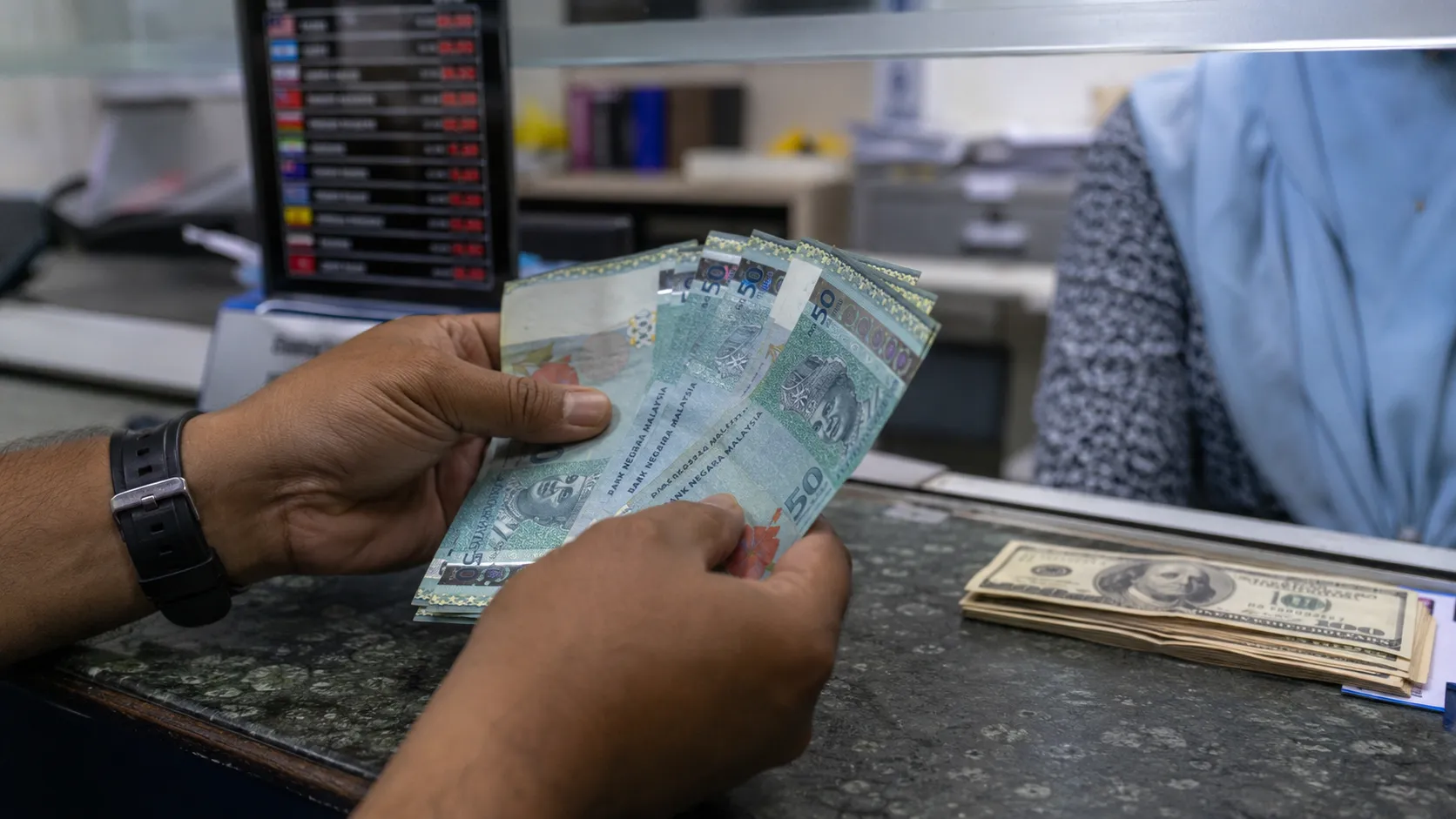
At the time of recording, the ringgit had gone from its strongest level in a year, about RM3.89 against the US dollar and briefly near RM3.80, back toward RM4.15. That is close to a 10% swing off the low. In plain terms, anything you buy that is priced in US dollars just got about 10% more expensive.
Here is the part that catches people out. You will not feel it tomorrow. The stock sitting in shops right now was bought at the old, stronger rate, so it is still selling at a good price. The bite usually comes one or two quarters later, when businesses restock at the new rate. That lag is exactly why the market gets nervous well before your receipts do.
So why did it happen? Two reasons, one at home and one abroad.
1. The home reason: election jitters
Malaysia has elections in the air. Johor and Negeri Sembilan were heading to the polls, and there was loud speculation about a snap general election, with some chatter that Parliament could be dissolved as early as October. None of that was confirmed. But markets do not wait for confirmation.
Whenever an election looms, a country’s currency tends to soften, and the reason is boring but powerful: investors worry about continuity. Every government arrives with its own list of things it wants to do. Unless a policy is genuinely set in stone, a new government can rewrite it. Malaysia’s picture is even more uncertain because the current arrangement is a coalition of convenience, stitched together from parties that used to sit on opposite sides. Push them into an election where one of them finally has the numbers, and the policies they compromised on before are suddenly up for grabs.

Foreign investors hate that kind of open question. Picture a company from the US or UK that was about to build a factory here. It reads the headlines, notes the noise around things like the recent BYD saga, and decides to wait. Waiting means the first RM10 million it was going to spend stays put, in its own currency, unexchanged. Less demand for ringgit, so the ringgit eases. Multiply that hesitation across many investors and you get real downward pressure.
Some countries shrug this off because they have a long track record of policy staying the same even when governments change. Malaysia is still early in that story. We have only changed federal government a couple of times, so the trust that keeps money calm is still being built.
2. The bigger reason: it is really the US dollar
Look around the region and you notice something. The ringgit was not falling alone. Almost every Asian currency was under the same pressure, and that points to a cause far bigger than any local election.
Markets had expected the US Federal Reserve, America’s version of Bank Negara, to start cutting interest rates. Instead, with inflation still sticky, rates looked set to stay high or even climb. High US rates change everyone’s maths. If you can park money in a US dollar deposit and earn more, a lot of investors will sell their local currency to do exactly that.
Think of it like fixed deposits. If your bank pays 4% and another offers 4.3%, you move your money the moment your tenure is up. Right now the US is the bank paying the higher rate, and it might raise again. So money flows toward the dollar, and everything else weakens against it. That is why this looks less like the ringgit collapsing and more like the dollar bulldozing the whole neighbourhood.
Within ASEAN, Malaysia actually landed in the middle. The Indonesian rupiah fell close to 7%. The Philippine peso neared a record low. We were neither the hero nor the villain. Just there.
The one country breaking the pattern was Singapore, whose dollar hit an 11-year high. Which raises an obvious question.
3. Why the SGD keeps winning
Start with a fact most people never think about: the value of a currency is not left to chance. Central banks steer it, most of the time, because stable money makes trade predictable. No business wants to buy a kilo of coffee beans for RM10 today and RM20 next month.
Malaysia and Singapore steer their currencies in completely different ways.
Bank Negara uses the traditional tool, interest rates. Raise them and the ringgit becomes more attractive to hold, so demand and the currency rise. Cut them and money drifts elsewhere, so the ringgit softens. It is the same lever the US is pulling, just in the other direction.
Singapore does not really use interest rates for this. The Monetary Authority of Singapore manages the SGD against a basket of major currencies, and it will not tell you exactly what is in the basket. It simply lets the SGD move within a narrow band against that basket. Because the US dollar is one of the biggest reserve currencies in the world, the SGD naturally tracks close to where the dollar goes. Singapore, in effect, decided long ago that it would follow the world rather than fight it. For a tiny economy with almost no natural resources, that humility is smart. And because the contents are undisclosed, there is not much anyone can argue about.
So can Malaysia just copy Singapore? Not really, and the reason is money.
To defend a currency inside a band, you need enormous reserves to keep buying and selling. Malaysia’s foreign reserves sit at around USD130 billion. That sounds huge, but in national terms it is only about six or seven months of import cover, an emergency fund, not a war chest. Singapore holds roughly USD417 billion, about four times more, before you even count the state funds like GIC and Temasek that together manage close to a trillion US dollars.
There is also history. Singapore has run its system for decades, its institutions are built around it, and switching approaches is a ten-year-plus project, not a policy you announce on a Tuesday. Malaysia inherited much of its framework from the British and, as a country that sells a lot of raw materials, we get a more direct handle on our currency anyway. Singapore’s method is not automatically better, by the way. Because they follow the basket, they give up control. If the currencies they track rise when Singapore would rather they did not, they still have to follow. Every system is a trade-off.
4. What a weak ringgit does to your cost of living
Now the part that actually reaches your kitchen. Over the coming months, prices are likely to creep up, and it helps to understand why the timing feels strange.
Remember the lag. When tensions in the Strait of Hormuz spiked and everyone worried about oil, you read the headlines but felt nothing at the counter, because shops were still selling the batch they bought before. The pain arrives when they restock. And oil is only part of it. Even as oil prices eased, other commodities like copper climbed, so the overall cost of stuff stayed high.
Countries hold reserves of more than just currency. They hold reserves of commodities too, and those run down and need replenishing. Fertiliser, coffee beans, animal feed. When you replenish at a moment where the ringgit is weaker and global prices are higher, you get hit twice: your money is worth less and the goods cost more. That double hit is what worries the market.

Chicken is the sneaky example. The bird is raised here, but the feed is not. Corn, the fertiliser, the palm inputs, a lot of it is imported and paid for in US dollars, and feed alone can be more than 70% of the cost of raising that chicken. So when local chicken gets dearer, remember the bird never left Malaysia. Its feed did, and feed is most of the bill.
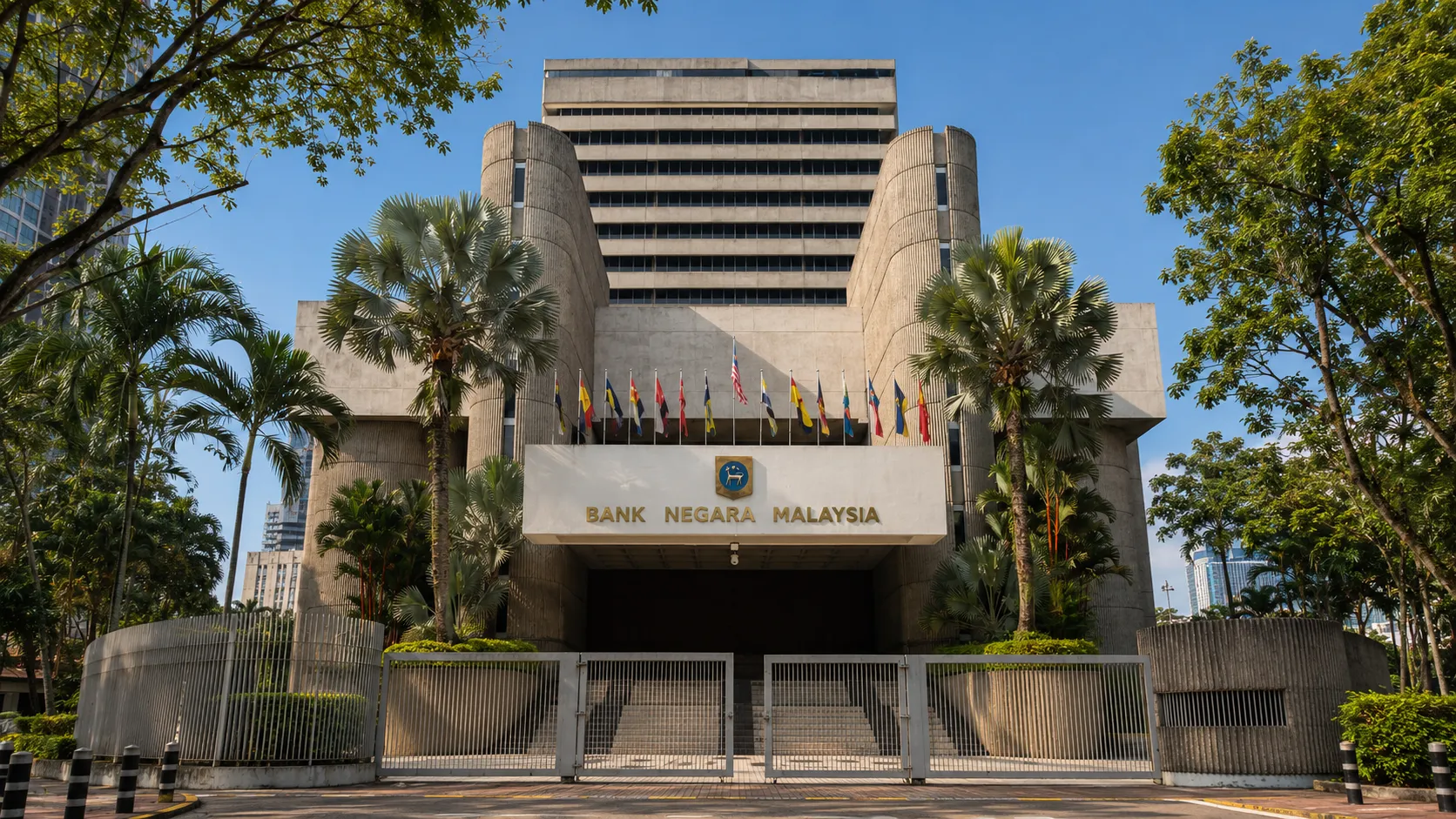
There is a fair question in all this: where is the minister to calm everyone down? In practice, institutions like Bank Negara are usually working quietly in the background long before the public panics. A move from RM3.80 to RM4.15 is dramatic to us because we enjoyed the rally on the way down, but it is still within the range the central bank is comfortable with. If it needs defending, raising interest rates is the standard tool to pull the ringgit back up. The work often happens. What is missing is someone stepping out to explain it.
5. The flip side: who quietly gets richer
A weak ringgit is not all bad news. Flip it over and there are winners, which is why investors get interested rather than gloomy.
Start with tourism. Remember when the yen went cheap and every second Malaysian booked a trip to Japan? That logic now points at us. A cheap ringgit makes Malaysia a bargain for foreigners, which is good for anyone in travel, hospitality and the businesses around them.
Then the exporters, and this is the fun one. Say you make kuih lapis and sell a box to a US buyer for USD10. Your flour, your electricity, your rent, all paid in ringgit. The dollar strengthens, the ringgit weakens, but you still sell at USD10. When that USD10 converts back, you get more ringgit for the exact same box. Your margin fattens without you doing anything different. In the market, that sends people hunting for exporter counters, because those companies earn more simply by standing still.
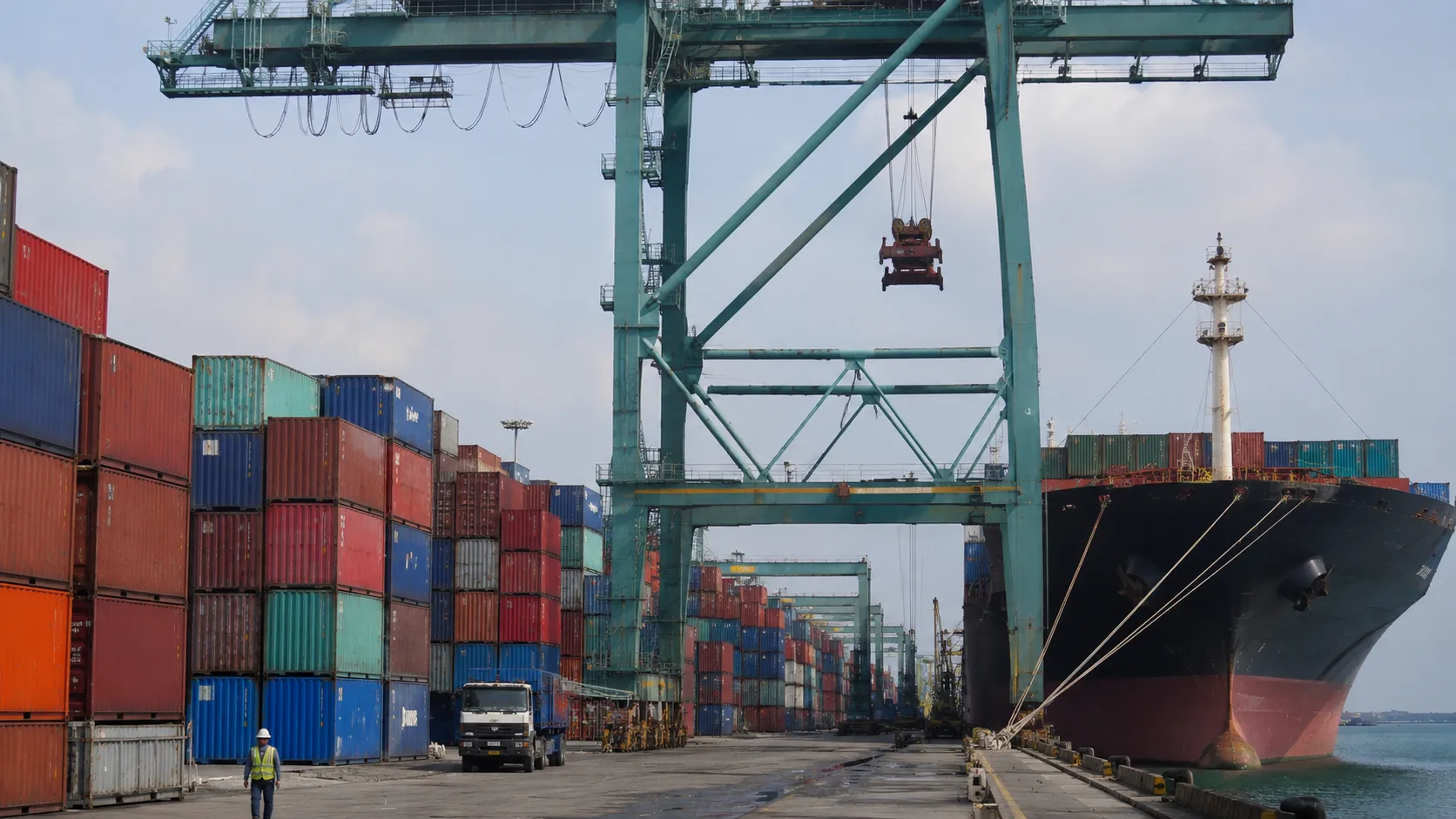
The mirror image is the importer. If you sell coffee in Malaysia but buy your beans in US dollars, your revenue is in ringgit while your restocking bill just jumped. Your margin gets squeezed. So the same currency move that hands exporters a windfall quietly punishes import-heavy businesses.
There is a subtler play too: inventory. A company sitting on a big pile of unsold goods bought before the currency and commodity moves can suddenly find that pile worth far more than it paid. Chemical companies, which tend to hold a lot of stock, are a classic place to look. Pull up their balance sheets, track the trend across a few years rather than a single snapshot, and you get a decent read on which way earnings might swing. Modern trading apps like moomoo now bundle this straight into the app, so you no longer have to dig through KLSE annual reports by hand, though the old-fashioned way still works.
One counter that ticks almost every box is aluminium. Those producers export, so a weak ringgit helps. They pay for power in ringgit, and much of it is cheap hydro energy in Sarawak. Aluminium prices have been firm, and clean-energy aluminium even earns a premium under global ESG rules. Several tailwinds at once.
A big warning, though. These moves are seasonal, not permanent. A well-drilled fund manager placed their bets before any of this hit the news, so by the time a story like this is public, the easy money has often already moved. This is not investment advice, and you should check with a licensed adviser before acting on any of it.
What to actually do with this
A few practical takeaways:
- Do not panic at the daily rate. A swing from RM3.80 to RM4.15 is within Bank Negara’s comfort zone, and the same currency fell fast in the other direction not long before.
- Expect the price rises to land a quarter or two out, not tomorrow. If you have a big imported purchase in mind, buying before the old stock clears can save you money.
- If you invest, understand which side of the trade a company sits on. Exporters and inventory-rich firms can benefit from a weak ringgit, while import-dependent businesses get squeezed.
- Treat these as short-term shifts, not a permanent thesis. The people who profit cleanly are usually positioned well before the headlines, so chasing late rarely pays.
Underneath the jargon, two plain things are going on. Foreign money sits still when it cannot read our politics, and the cost of a weaker ringgit reaches your table a season after the news that caused it. You cannot move the exchange rate. What you can do is understand it well enough to see the squeeze coming, and to spot the odd opportunity sitting inside it.