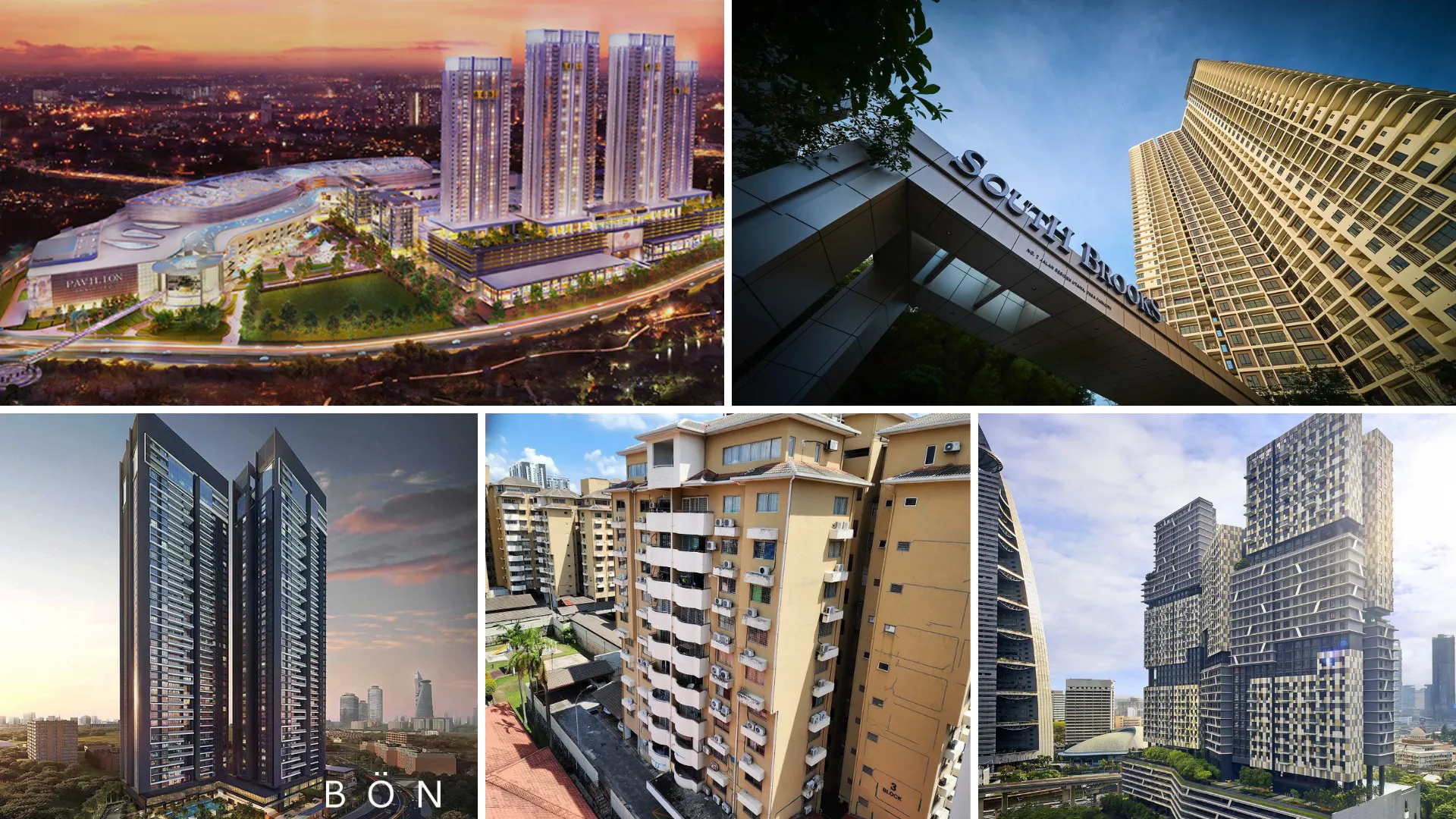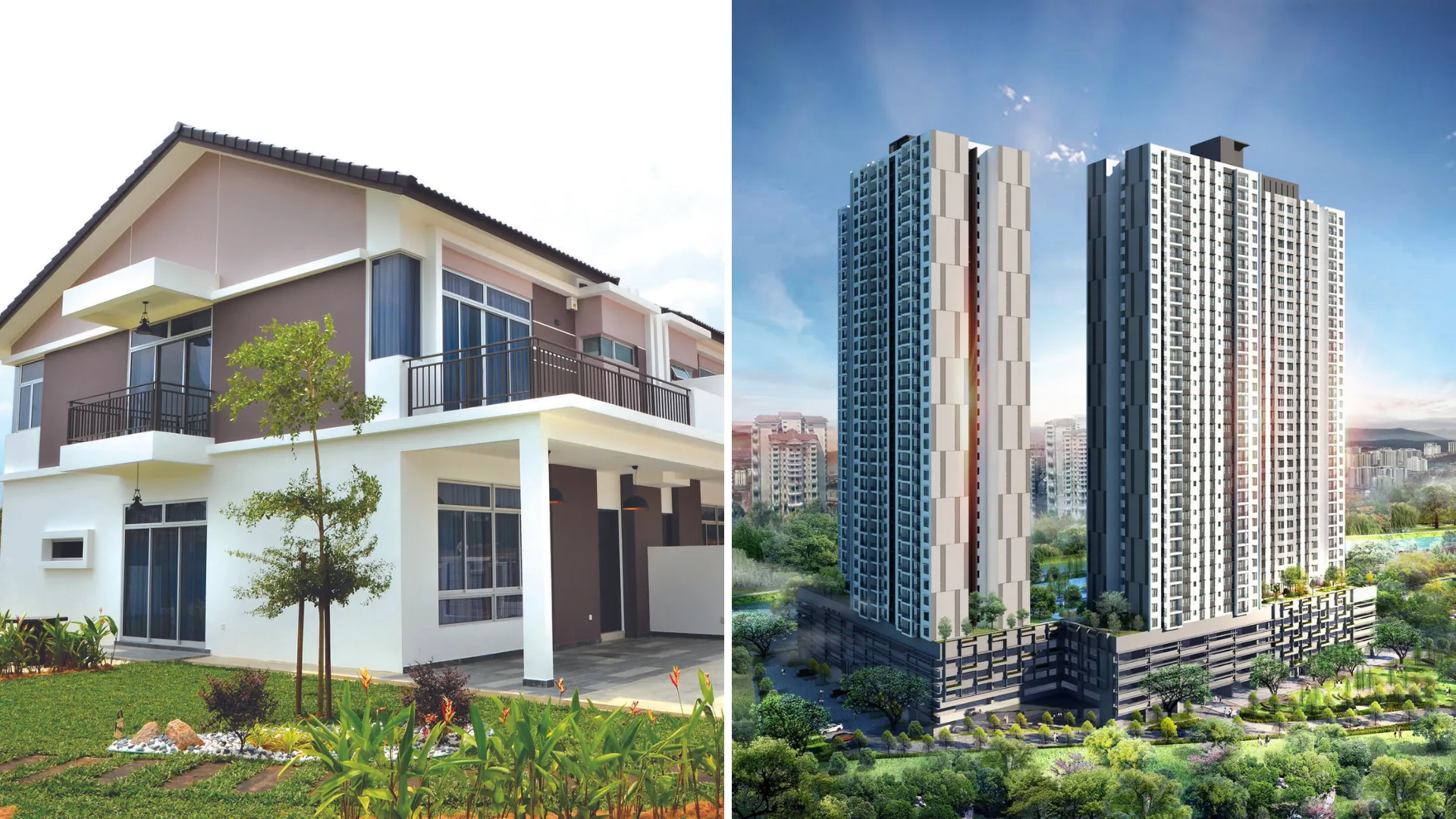
The Property Investment Trap in Malaysia
Buying property to get rich looks safe, but it can lock you into a 35-year liability. A property expert who reviewed 240+ Malaysian homes on the real traps.
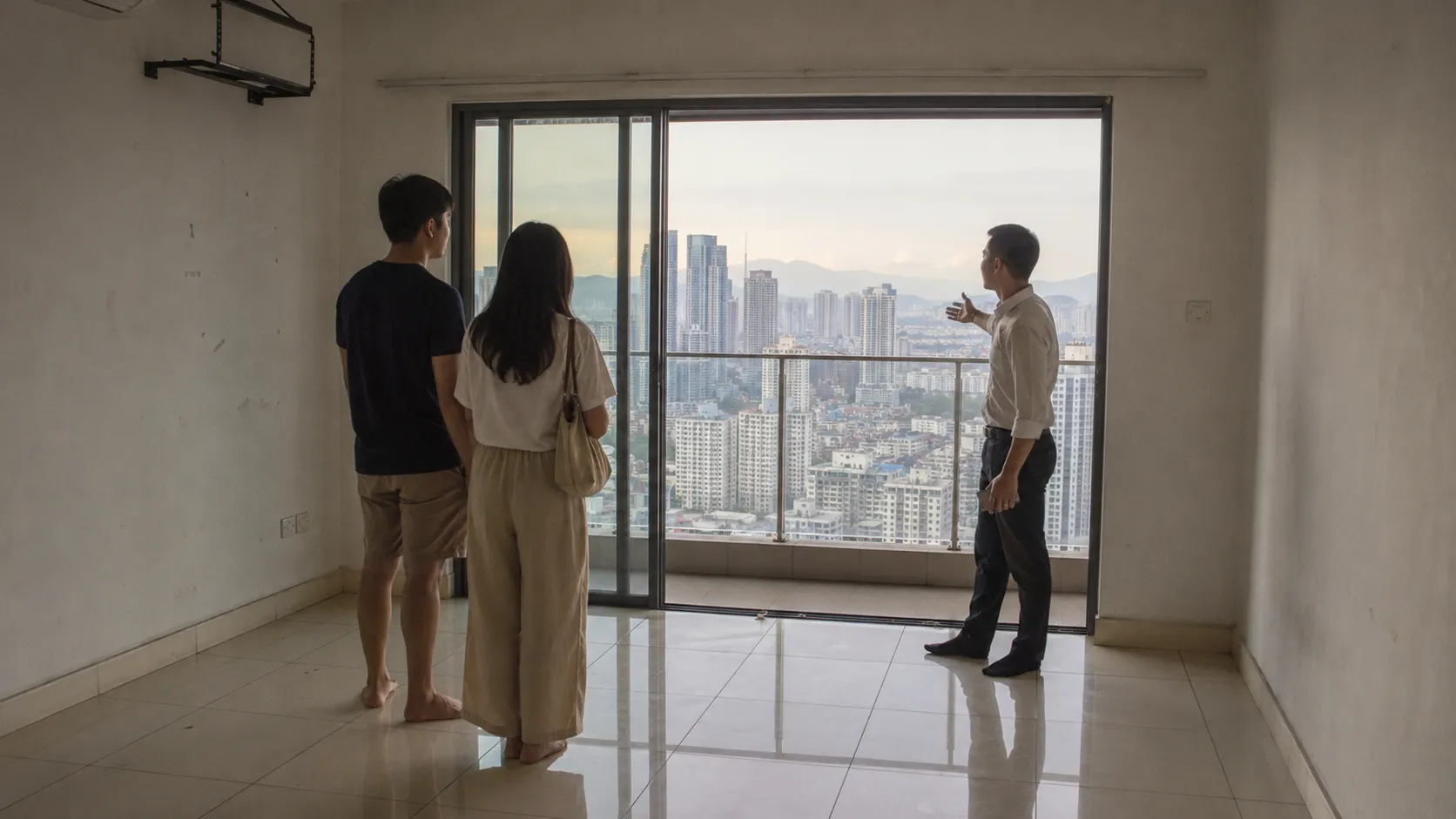
You have been told your whole life that property is the safe bet. Buy early, buy often, let the rent roll in, retire on the capital gain. It is the one thing your parents, your relatives and every property guru on YouTube agree on. So what happens when someone who has walked through more than 240 Malaysian properties tells you that most of that advice was written for a market that no longer exists?

That is roughly what property expert Gin, who runs Stay Woke Property, argues after years of inspecting condos, townships and sub-sale units up and down the Klang Valley. He is not anti-property. He owned eight units himself at one point. His point is sharper than that: property can be one of your best assets, but before it becomes an asset it is a liability, and most people never plan for the years in between. Here is what actually holds up once you stop treating a house as a birthright and start treating it as a number.
1. A property is a liability before it becomes an asset
Start with the framing that changes everything else. The moment you buy a property for investment, you have not bought passive income. You have signed a 35-year financial obligation. Tenant or no tenant, occupied or empty, that instalment is due every month, and it sits on your side of the ledger until the rent reliably covers it.
The passive-income dream skips all the grunt work in between. Someone has to chase the rent, settle the utility bills, pay the quit rent (cukai tanah) and assessment (cukai pintu), fix what breaks and deal with the tenant who stops paying. There are the nightmare stories too: one angry tenant who poured cement down the manhole on the way out. Property only becomes genuinely passive when you are rich enough to pay a team to run it for you, which is a different life stage from the one most first-time buyers are in.
None of this means property is bad. It means property is one asset class, not the only one, and treating it as your entire retirement plan is how people end up cash-poor and stuck. Cash flow is what keeps you afloat, and a portfolio loaded only with property runs dry the moment you suddenly need money. When a medical bill or a business crisis lands, you cannot sell a condo by Friday.
2. “Guaranteed rental returns” are usually your own money handed back
The most dangerous advice is the kind that sounds like a gift. Guaranteed rental returns, or GRR, is the clearest example. A developer promises a fixed yield, often around 6% a year for five years, on top of the property and the leverage. It sounds like free money.
Follow where the money comes from and it stops looking free. Say a unit is genuinely worth RM500,000, but the developer gets it valued at RM650,000. You take a loan on the higher figure, so you have borrowed an extra RM150,000. Over five years, a 6% “guaranteed” return works out to roughly RM150,000 in total. That is the same RM150,000 you over-borrowed, drip-fed back to you month by month and dressed up as rental income. It is a redistribution of your own loan, not a return on anything.
The developer is betting the property value catches up within those five years. Across the GRR developments Gin has visited, that bet mostly failed. By year five the maintenance has degraded, the real yield has slipped to 3 or 4% if a tenant can be found at all, and the unit is hard to sell. These schemes cluster around smaller, unknown developers in weaker locations, precisely because a good location would not need the gimmick. Banks have wised up as non-performing loans climbed, so GRR is less common now than in the DIBS era, but the tactic has not disappeared. Anything waving the word “guaranteed” deserves a very slow second look.
3. Check the paint, not just the price
When you walk into a sub-sale unit, the first thing worth reading is not the asking price. It is the condition of the building itself.
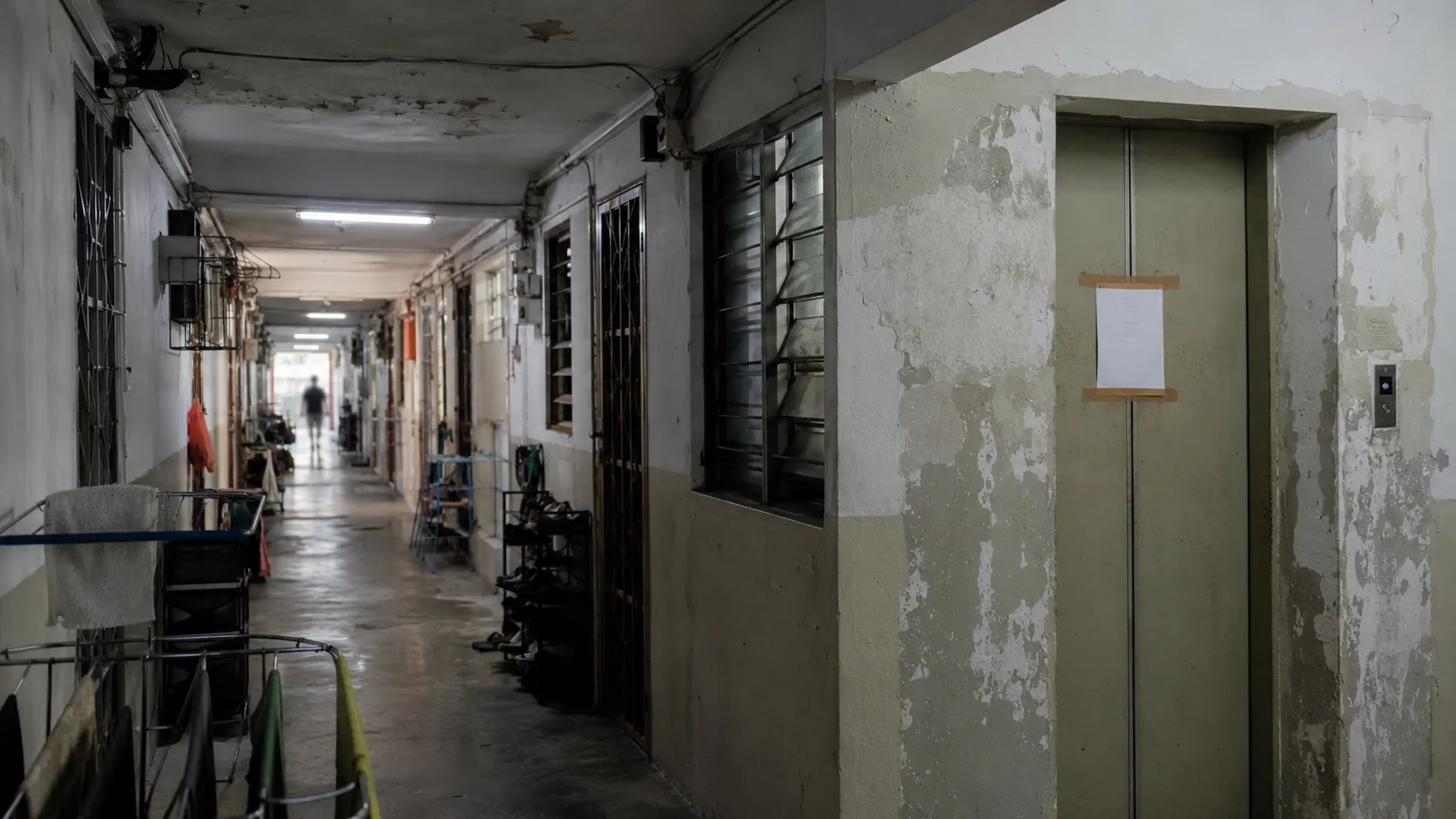
Repainting a facade is one of the biggest expenses a condo faces, so if the paint is neglected, the money behind the building is neglected too. That tells you whether residents are actually paying their dues, and whether the community is strong enough to protect its own value. This is where two terms matter. The maintenance fee is the operating expense: security guards, cleaning, the daily running of the place. The sinking fund is the capital expense: repainting, refurbishing the lifts, the heavy one-off works. The usual split is around 90% maintenance and 10% sinking fund, and when either runs dry, the decline shows up fast on the walls and in the lift lobby.
Compare a Mont Kiara development, kept in near-pristine condition even at 30 years old, with a student-packed block where the corridors are grim within a few years. The difference is not luck. It is whether owners show up: whether they attend the AGM, understand where the funds go and care about the place. A building with outstanding maintenance notices pasted by the lift is already telling you the community has stopped caring, and a property nobody cares for is a property you will struggle to exit 25 years later.
4. The student-condo trap: great yield, dead capital
Here is the counter-intuitive part. The condos with the best-looking rental yields are often the worst investments. Blocks near universities can push yields to 8 or even 10%, largely through room partitioning: carving a three-bedroom unit’s living hall into a fourth room, or worse. That partitioning is generally not legal. DBKL has moved to ban it in Kuala Lumpur, while enforcement in Selangor has been patchier, which is why you still see it in student belts. It is also a genuine fire hazard, with too many people crammed into units that have one way out.
The deeper problem is what it does to price. In a stock market, everyone is an investor and everyone can win together. Property is the opposite. When a block is dominated by investors chasing rent, prices tend to stagnate or fall, because nobody attends the AGM, nobody maintains the place, and the building rots. When most residents are owner-occupiers or long-staying professionals who want a safe, well-kept home, prices climb. A useful signal is the swimming pool: a clean, busy pool means families who complain when things break, which means a building that holds its value.
The property near Taylor’s University in Subang makes it concrete. Rental yields there have been excellent for years, so early buyers made their money back in rent. But the premium block’s price has fallen about 10% from its launch price, and offloading a unit today is close to impossible. Good yield, dead capital. You have to decide which one you actually came for.
5. Leasehold, freehold and the township question
Two debates trip up almost every buyer. The first is leasehold versus freehold. For own-stay, it barely matters; buy what you like. For investment it matters more, because banks value leasehold lower, so capital appreciation gets capped as the lease winds down. Once a lease drops past 60 or 70 years, financing tightens; past 50 and you may need to pay cash and renew. The good news is renewal is often cheaper than the fear around it, sometimes roughly 5% of market value, and occasionally subsidised. There are pockets in older PJ where MBPJ has offered lease renewals for around RM1,000, which can turn a rundown bungalow on a large lot into a genuine bargain.
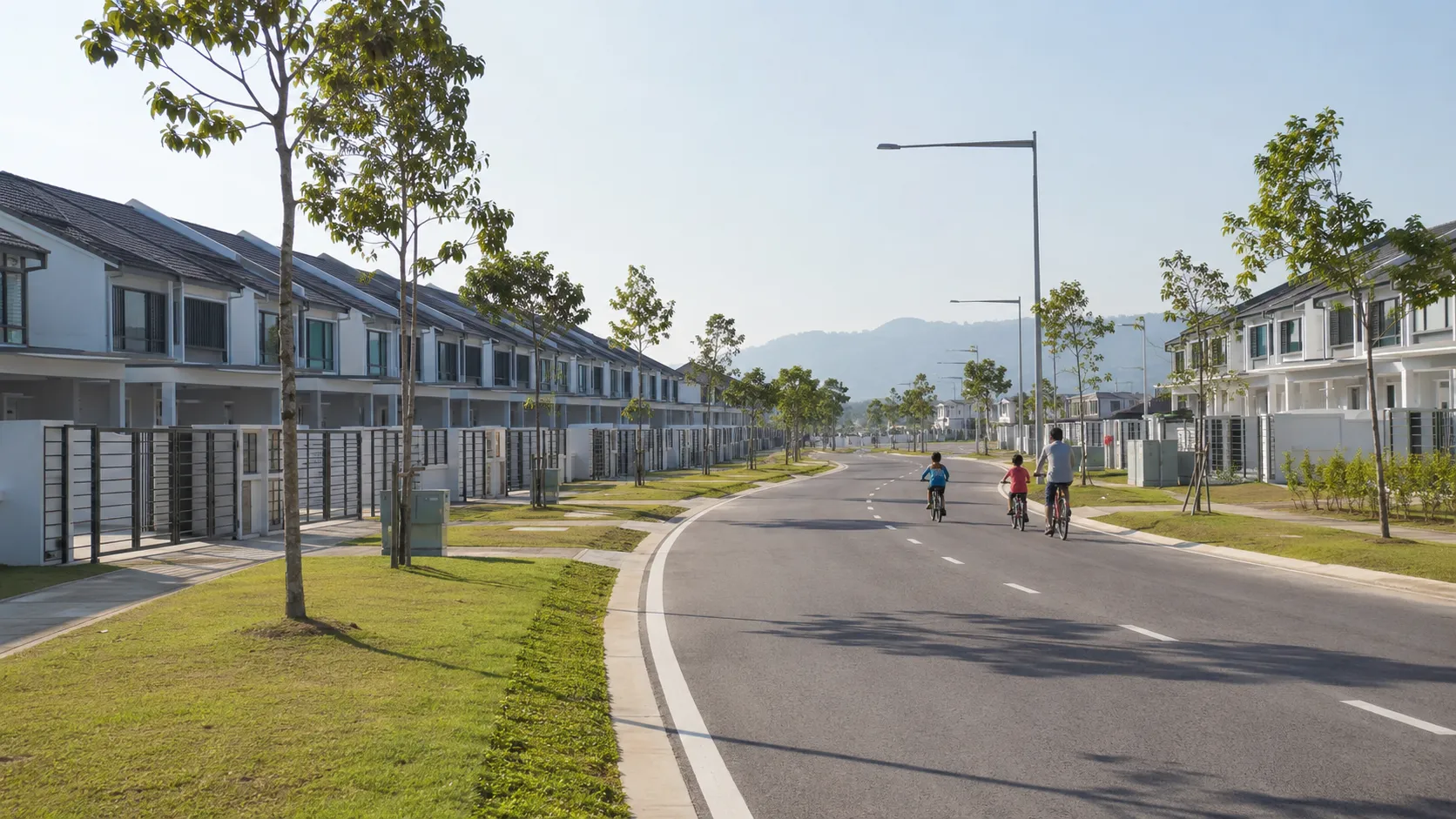
The second is the shiny new township 10km out versus an established address in PJ or KL for the same money. This one depends on your stage of life more than on the property. A young person grinding across the Klang Valley every day is better off central. Someone approaching a slower, work-from-home decade may prefer the serenity, the new infrastructure and the landscaping a good township developer pours money into. For investment, though, stop guessing about “potential” and follow the macro signals: government policy, transport lines and jobs. Stations on LRT3 or the Circle Line can lift rents 10 to 20% within a 1 to 2km radius. Port Dickson stopped being just a beach town the moment Google committed over a billion ringgit to a data centre there, with Gamuda on the build, because heavy investment drags jobs in behind it. An unpolished area only pays off when someone with deep pockets comes to polish it, and that someone is usually the government. Bukit Beruntung is the cautionary tale: bought on the promise of development that took years to arrive, and painful to sell.
6. Why the developer’s name matters more than ever
In today’s market, paying attention to the developer’s brand is risk management, not snobbery. Construction costs have jumped 20 to 30%, and a developer that is not public-listed can quietly buckle under that pressure. A public-listed developer has a 20-year reputation on the line, so it will tank the cost and take a loss on a single project rather than let it become an abandoned “projek sakit” that poisons the brand.
Abandoned projects are the worst-case outcome: you keep servicing a loan for 35 years on a home that was never built. The government has stepped in with recovery programmes to force developers to follow through, and some famous stalled projects have been revived by white knights and rebranded. Smaller developers can still be trustworthy, and some pick up a small parcel inside a big township and sell cheaper because the roads and amenities are already there. The way to tell is due diligence, not marketing: look at their past completed projects, and it is easy enough to visit one. Reach out to an agent on iProperty or PropertyGuru as an interested buyer, walk the older development, and judge whether it was delivered on time and has aged well.
And when you are standing in a showroom with stickers going up on a sales board and an agent swearing this is the last unit, remember the incentive. The moment you sign, you make his commission real, so everything he says might be true, and you still write it all down, go home and verify before you commit. The last unit is rarely the last unit.
7. Buy your first property as an investment, not your dream home
Put those pieces together and a clear first move falls out. Your first property probably should not be your dream home. Because of how Malaysian loans work, buying an investment unit first lets you report the tenancy income, which lifts your debt servicing ratio and helps you qualify for the next purchase. Malaysia gives each individual a 90% loan on their first two properties, so buying under a single name rather than joint names keeps that leverage intact instead of burning one slot for two people at once.
How do you know you are ready? Money is the obvious gate, but discipline is the real test. Try setting aside about 20% of your net income, on RM15,000 that is around RM3,000, into a low-cost index fund or ETF every month for six months. If you can hold that habit without lifestyle inflation eating it, you are close to ready. If the difference between renting and buying is going to be invested rather than absorbed into spending, a beginner can automate it through a regulated broker like Moomoo so it never touches the spending account. (Some links here are affiliate links; Finlit may earn a commission at no extra cost to you.)
For fresh graduates being pushed to buy immediately, the honest advice is the least popular: do not let your parents, your partner or an agent rush you. Their timeline was a different market, where anything you bought made money. Yours is not. A property is a lifelong commitment, and the bank will not accept “never mind, I will pay later.” Get ready on your own terms first.
What to actually do with this
- Treat any investment property as a business, not passive income, and budget for the years it is a liability before the rent covers the instalment.
- Walk away from anything selling a “guaranteed” return; work out where the money comes from, and it is almost always your own over-borrowed loan handed back.
- On a sub-sale, read the paint, the lift lobby and the maintenance notices before the price, and go to the AGM once you own, because a strong community is what protects your resale.
- Chase the owner-occupier building, not the highest yield. A student block at 10% with falling capital is worse than a well-kept block that people actually want to live in.
- Follow the macro signals for location: transport lines, jobs and government money, not a brochure’s promise of “potential”.
- Make your first buy an investment unit under a single name to protect your loan quota, and only buy your dream home once the numbers, not peer pressure, say yes.
The thread through all of it is that a house is not automatically a good decision just because it is a house. Owned well, it is one of the strongest assets you can hold. Bought on autopilot because everyone said so, it is a 35-year liability you cannot easily sell. Buy when the location, the yield and the price line up and you understand exactly what you are signing. Until then, patience is not falling behind.
You can follow Gin’s property breakdowns at Stay Woke Property on YouTube and @staywokeprop on Instagram.