Should You Buy a House in Malaysia in 2026?
Why someone who can easily afford a landed home in KL still chooses to rent, and how to actually decide whether buying a house in Malaysia is worth it.
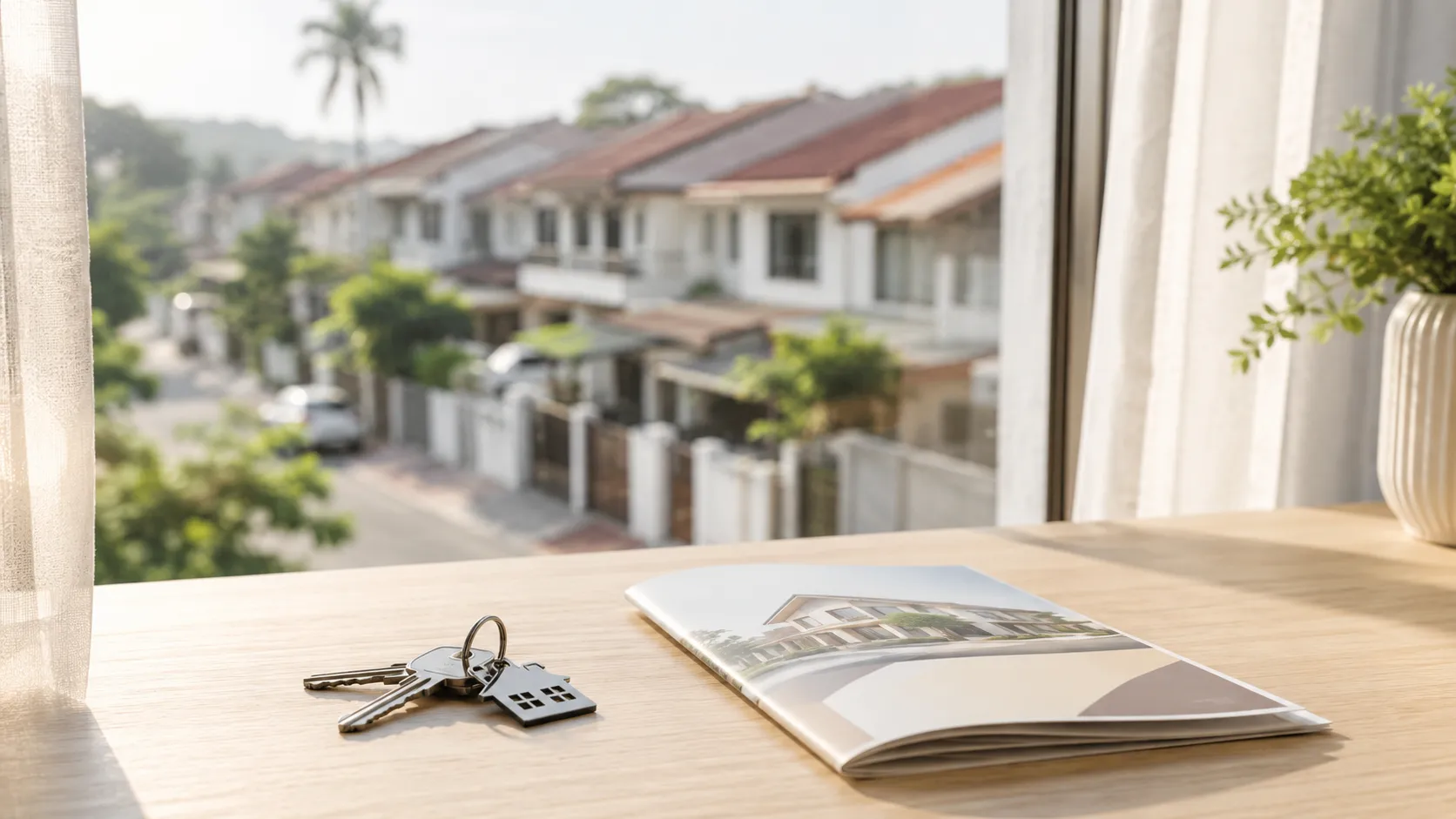
I can comfortably afford a landed house in the Klang Valley, and I know investing well enough to run the numbers cold. I still rent.
That is where this Mr Money TV episode starts, on one of the most loaded questions in any Malaysian family: is it finally time to buy a house? Joining me is a new co-host, Li Xin, fresh out of a PhD and watching every friend under 30 sign for property while she has not. If you feel behind, that is the whole point of the conversation. Here is what actually holds up once you stop treating a house as a rite of passage and start treating it as a number.
1. Your parents bought at 3 times their salary. You are looking at 5 and up
Start with why the pressure exists at all. Our parents came up in the 1970s and 80s, the golden building years, when green jungle turned into township almost overnight and a growing middle class could buy in early and cheap. A house back then cost roughly 3 to 5 times someone’s annual income. On that maths, of course you bought. Not buying looked stupid.
The official numbers now tell a harder story. Economists measure this with a median multiple, the median house price divided by median annual household income, and anything above 3.0 is treated as seriously unaffordable. Malaysia has sat above 4.0 for two decades and hit about 4.7 in 2020, with Kuala Lumpur at 5.4 (Bank Negara Malaysia and Khazanah Research Institute). Bank Negara has flatly called it a market failure: only about a third of homes launched since 2015 were priced under RM300,000, while most households cannot comfortably afford anything above that.
That median even flatters things, because it blends in cheaper flats. The place you actually picture, a landed terrace not too far out, tells the sharper version. On a RM6,000 salary, so RM72,000 a year, a landed home now runs RM800,000 to RM1.2 million, which is 10 to 12 times your income. The asset did not change. The price relative to your salary did.
So the mindset our parents handed us, that a house is a rite of passage and a sign you have made it, was formed in a market that no longer exists. It is not that a house is bad. It is that getting rich off one is much harder now than it was for them, and hardest of all if you are in your 20s.
2. Land goes up, not “property”
Here is the correction that fixes a lot of confused thinking. People say property prices always go up, then watch a friend’s two-year-old condo lose value and panic. Both things are true at once, because the thing that reliably climbs is land, not property.
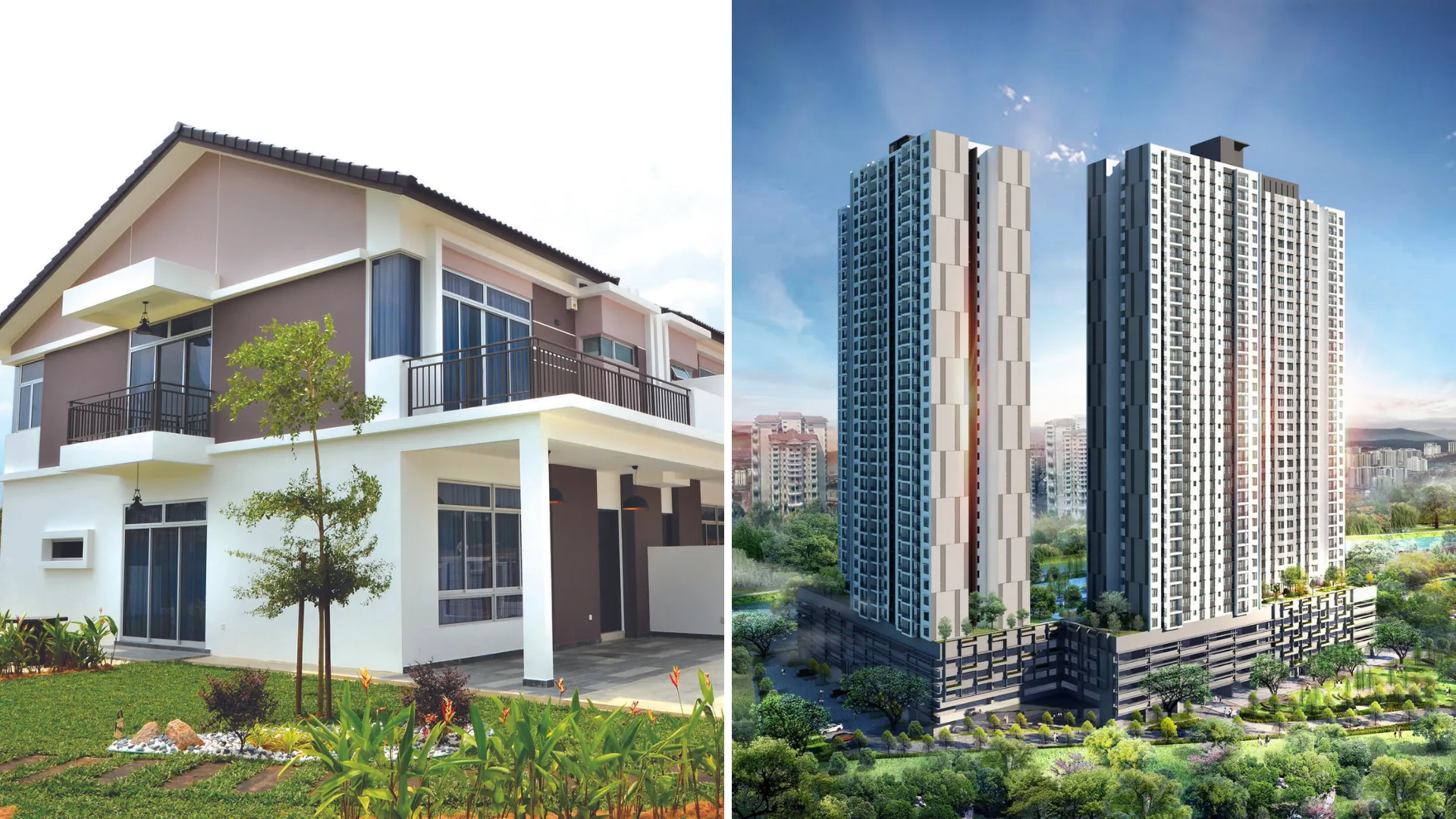
Land is fixed. Nobody is making more of it, which is why billionaires quietly hoard it. A landed house sits on its own plot, so you own that scarce thing directly. A condo splits one plot among 20, 30, sometimes 40 units, so your share of the land is tiny. That is exactly why developments keep getting denser: a block that was seven storeys in your parents’ day is 34 today. When you own a sliver of land wrapped in a lot of concrete, the concrete can depreciate faster than the land appreciates, and the unit price drops even while the market rises.
Two forces still push prices up over time. Land scarcity is one. Inflation in materials and labour is the other, since it costs more to build every year. Which leads to the trap question everyone asks: if it only gets more expensive, shouldn’t I buy now, whatever the price?
3. The house you live in is an expense, not an investment
This is the reframe that changed how I think about my own home.
Picture a logistics company that buys a lorry. The lorry costs money, but it earns money by moving goods, so it is an asset. Now picture buying a car for yourself. Same machine, roughly, but it only spends money, so it is an expense. A house works the same way. A unit you rent out, where the tenant’s rent covers your instalment, behaves like the lorry. The house you actually live in behaves like the car. You are consuming it, not earning from it.
That is why my own strategy is to make a first property an investment unit, not a home: buy in a spot where rent can cover the instalment (think Bangsar, Mont Kiara, KLCC, parts of PJ), let a tenant pay it down, and end up owning a house that cost you almost nothing beyond a bit of maintenance. Then you choose: sell it, keep renting it for cash flow, or refinance. The home I actually live in, I treat as pure expense, which is precisely why I am in no rush to buy one.
4. The yield rule: rent the landed, maybe buy the apartment
Once you separate the two, a simple rule falls out of the numbers.

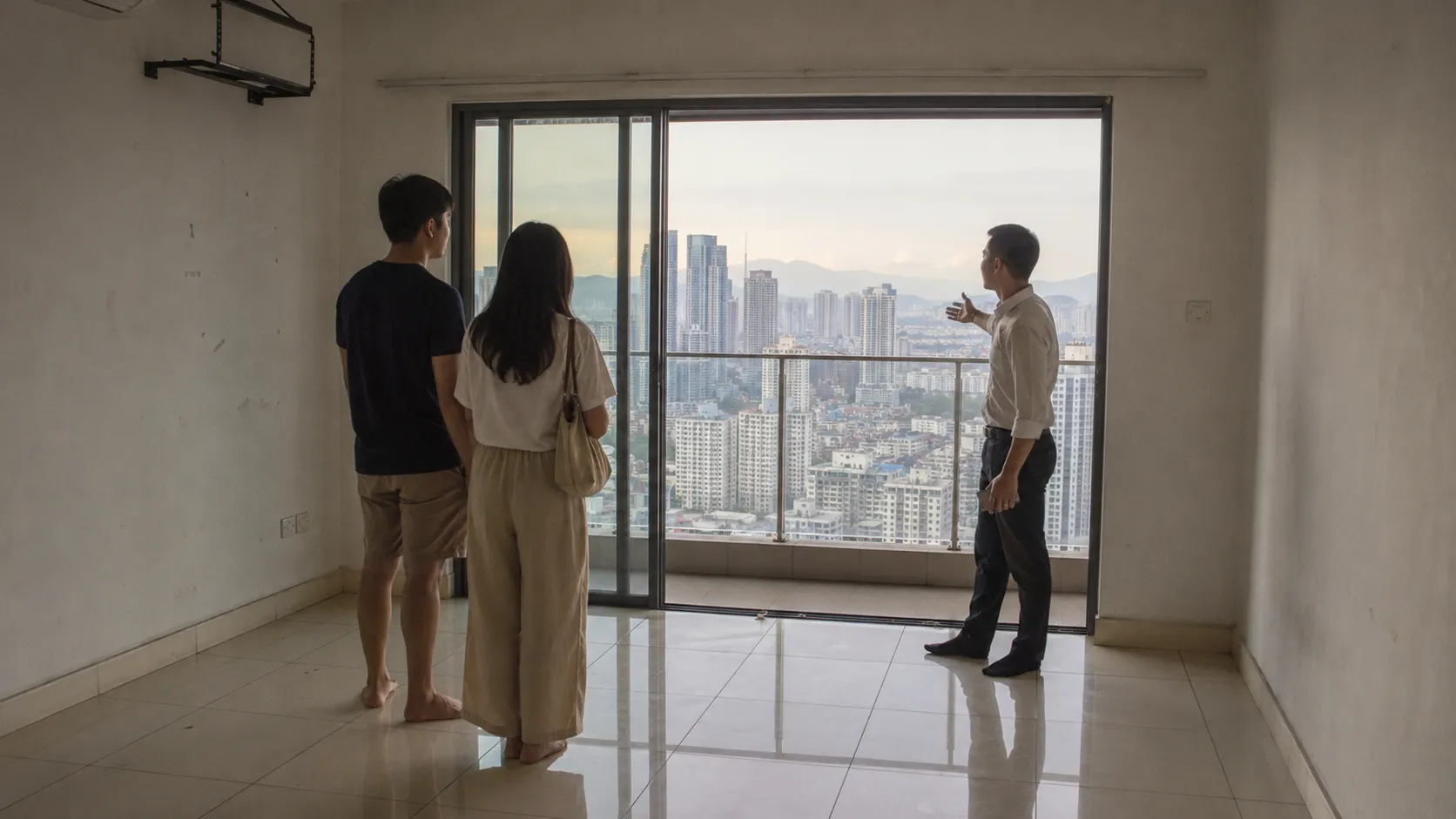
An apartment might rent for about RM2,500 a month on a purchase price of RM600,000 to RM700,000. A landed house might rent for RM3,000 but cost RM1.2 million. The rent as a share of price, the yield, is far better on the apartment, so its rent lands much closer to what the instalment would be. That gives a simple rule of thumb: if you are renting an apartment you genuinely love, it is worth pricing out a purchase, because the gap between rent and instalment is small. If you want landed, rent first until you are certain, because the gap is punishing.
My own case makes it concrete. The landed home I rent is worth about RM1.1 million. My rent is roughly RM3,500 a month. The instalment to own it would be around RM5,000. Renting saves about RM1,500 every month, on a house I was never going to earn income from anyway.
Then comes the part most people skip. Set that RM1,500 aside every month and invest it over 30 years at a long-run return, and it compounds into a cash pile of several million ringgit. Buy the house instead, pay it down, add typical property appreciation, and you end up with a home worth a few million. I put the honest question to my wife: would our son rather inherit that cash, free to buy whatever house he likes, or an ageing house he might have to tear down? For our family, the cash won.
If you do decide to rent and invest the difference, the difference only matters if it is actually invested rather than absorbed into lifestyle. A beginner can start small with a regulated broker like Moomoo and automate the monthly amount so it never touches your spending account. (Some links here are affiliate links; Finlit may earn a commission at no extra cost to you.)
None of this makes renting morally superior. It works for me because I want landed, I can invest well, and I have options. I fully plan to buy one day, and when I do it will be because I do not mind spending the money on it, the way you do not mind spending on golf. Buying to enjoy is a fair reason. Buying because you think you have to is not.
5. If you are buying to invest, look past residential
Buying to stay and buying to invest are different subjects. If your goal is rental income, ask who is the most committed tenant.
There are three broad types of property: residential, commercial (shoplots, offices) and industrial (factories, warehouses). A residential tenant can give notice and walk the moment life changes. A business owner in a commercial or industrial unit cannot: their operation runs there, so they stay longer, pay more, and fix the leaking toilet themselves instead of calling you 20 times. That is why serious property investors with strong portfolios rarely stop at residential; they move into commercial and industrial as they grow. The catch is cost. Those units are far pricier and demand a 20% down payment, so most people start with residential and upgrade later. The real lesson is to treat an investment property like a business and know your tenant before you buy.
6. Keep instalments under 30%, and think twice about joint names
Two guardrails to finish on.
Banks run a debt servicing ratio before approving your loan, but remember the bank earns from lending, so it optimises for the biggest loan you can technically service, not for a comfortable life. A safer personal rule is to keep all your instalments, car included, under 30% of your income. On RM10,000 a month that is about RM3,000, which supports a property around RM500,000 to RM600,000 and still leaves you RM7,000 to live, save and enjoy. Push the house alone to a RM5,000 instalment and you can end up with a beautiful home and a stressful life, car tyres you cannot afford to replace, and no room to breathe.
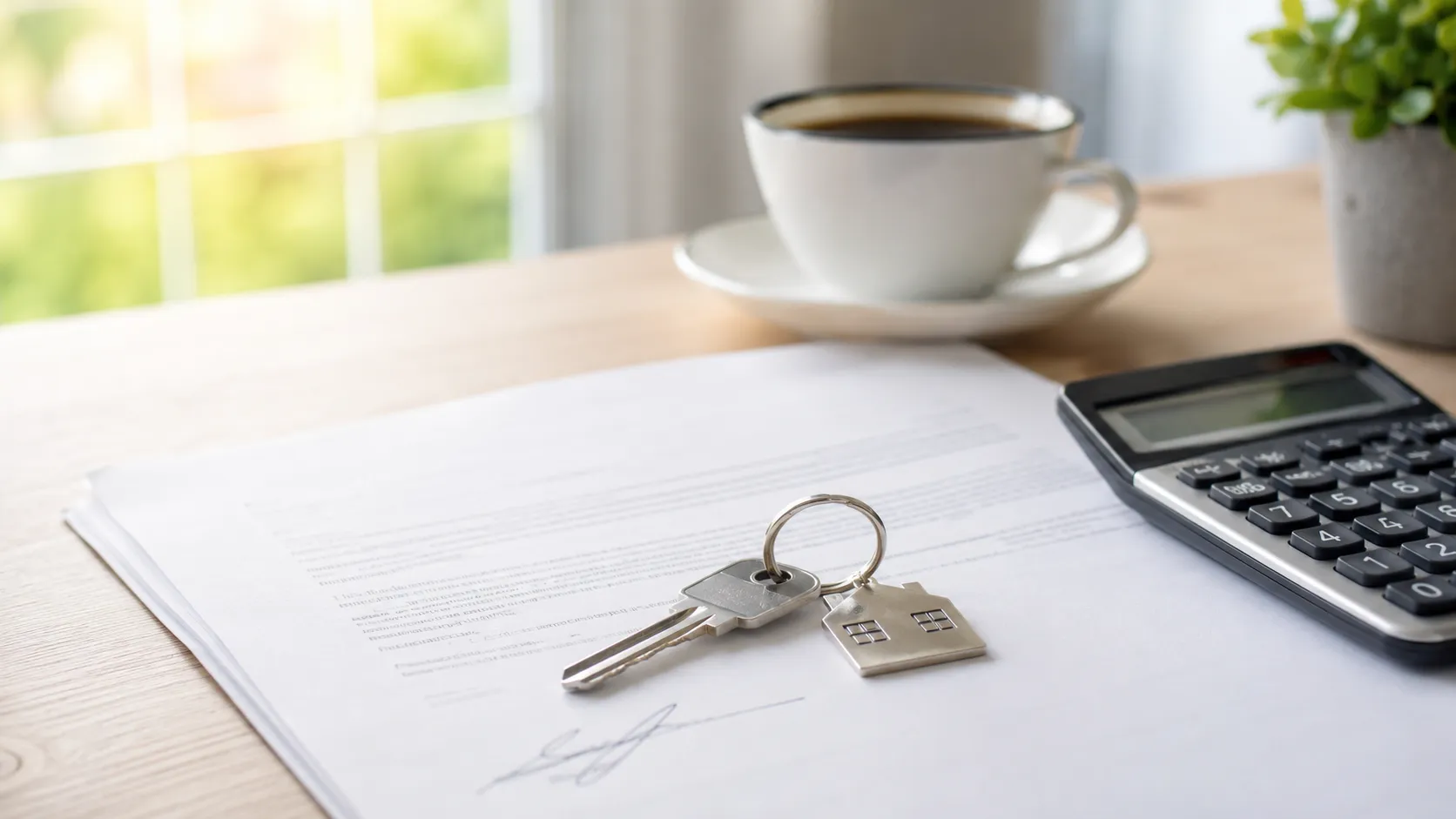
On buying together to afford more: be careful. People change, and a home in two names can become a long, bitter legal fight if a couple splits, before marriage all the more. A single name keeps ownership clean. There is also a leverage cost. Malaysia lets each person take a 90% loan on their first two properties, so two people keeping names separate can leverage up to four homes at 90%. Put both names on one house and you have spent that slot for both of you at once. Some people still need a co-borrower to buy at all, and that is a fair call to make, but make it knowing what it costs.
What to actually do with this
- Work out the honest gap between renting and buying the same place. Compare rent against the full instalment, and if renting is cheaper, only count it as a win if you actually invest the difference every month.
- Separate the home you will live in from any property you buy to earn. The first is an expense, the second is a business, and they deserve different rules.
- Keep total instalments, car included, under 30% of income. Let that cap set your price ceiling before you fall in love with a listing.
- Before buying together, understand the legal and leverage cost of joint names, and decide with eyes open rather than romance.
- Only buy when you can answer why: to stay long term, to earn rent, or because the price is a genuine bargain. Never because your parents or your friends bought.
The thread running through all of it is that a house is not automatically a good decision just because it is a house. You cannot eat the bricks. Money in your pocket and options in your hands often beats a home you cannot really afford but feel good about owning. Buy when the numbers and your reasons actually line up. Until then, renting is not falling behind, and for some people it is the sharper move.