What Actually Went Wrong at Tabung Haji
Tabung Haji paid hibah it had not earned, then the RCI report sat sealed for four years. Tengku Zafrul on why it broke and why the fix had to be quiet.
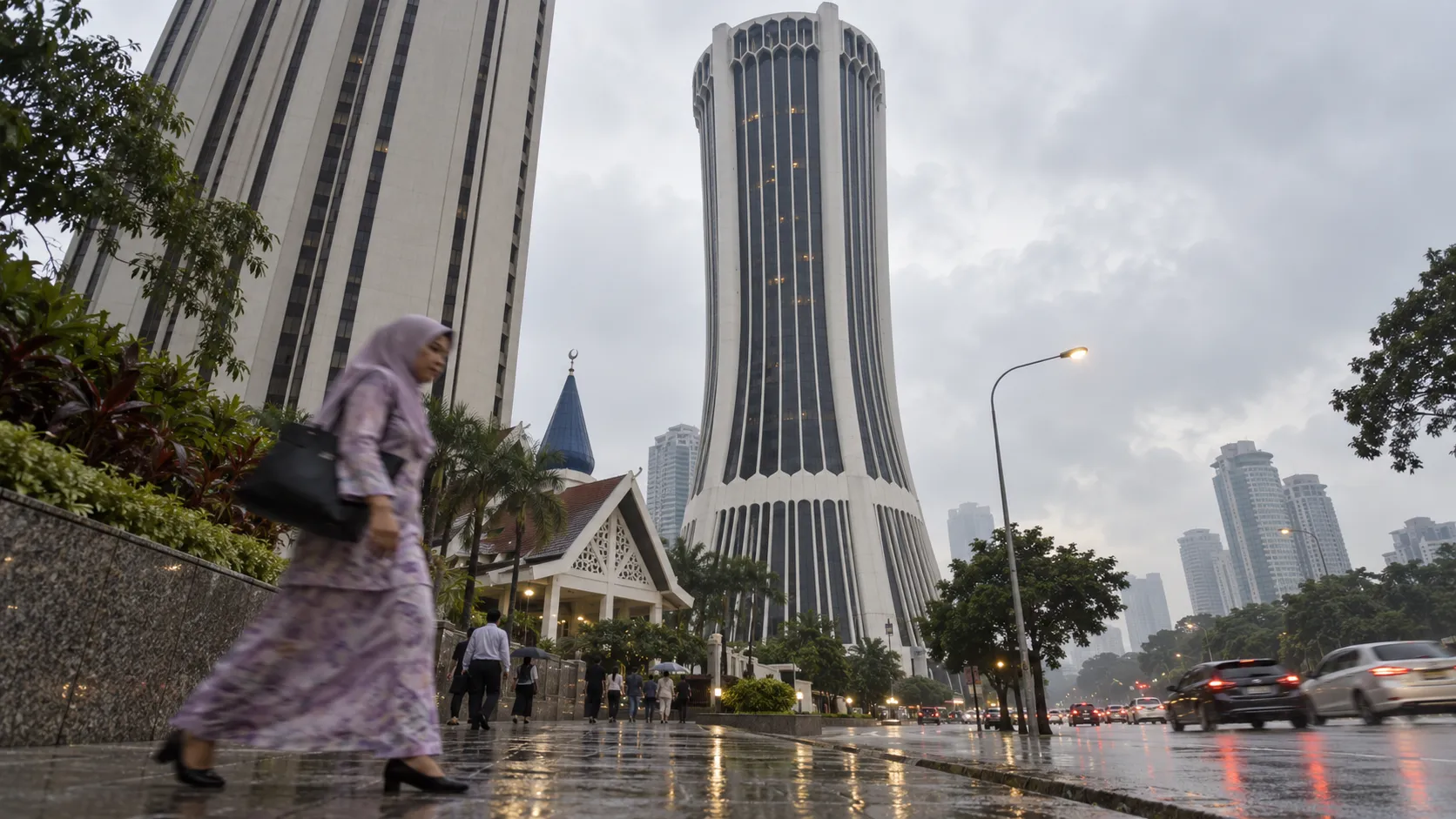
In April 2019, Tabung Haji announced a hibah of 1.25 per cent for 2018, the lowest in its history. Depositors read the number correctly, and the fund’s deposits fell from RM73 billion to RM69 billion, according to the Royal Commission of Inquiry that later went through the books. That number explains most of what follows. The fund was rescued for its depositors, and depositors pull their money out the moment they hear a fund needs rescuing.

On 29 July 2026 the Cabinet declassified the 252-page RCI report, four years after it was handed to the Agong. Tengku Zafrul Aziz was Finance Minister from March 2020 to November 2022, the stretch in which the Cabinet decided to call the inquiry and Tabung Haji was put under Bank Negara’s supervision. Before that he ran CIMB Group, and before that Maybank Investment Bank and Kenanga. Ask him how a government institution ends up RM10 billion in the hole and you get a plainer answer than the coverage has offered.
1. Two businesses under one roof, and only one of them broke
Tabung Haji does two jobs. It takes savings from Malaysians who intend to perform the hajj and invests them, and it runs the pilgrimage itself: flights, accommodation in Makkah and Madinah, medical teams, the lot. On the second job, Zafrul is unequivocal. It is an example of what a Malaysian institution can do well, and the Saudi Ministry of Hajj and Umrah agrees. Tabung Haji took the Diamond tier of the Saudi Labbaitom award for hajj management in 2025 and kept it in 2026, its fifth straight year of winning the award.
The first job is where it fell, in his words, very short: the investments, and the governance and policies around them. The RCI’s numbers show how far. For 2017, Tabung Haji reported a profit of RM3.4 billion. Apply the accounting standards properly, the commission found, and the year was a net loss of RM1.4 billion. A special review by PwC found assets of RM70.3 billion against liabilities of RM74.4 billion at the end of that year, a hole of RM4.1 billion. Of RM4.6 billion in assets it examined, only RM556 million had been valued by a professional valuer. By the end of 2018 the gap was past RM10 billion.
Some of the money went on the hajj itself, at a subsidy the fund could not afford. The cost of sending one pilgrim rose from RM15,553 in 2013 to RM25,540 in 2022, while first-time pilgrims paid RM9,980 every year from 2014 to 2019. The subsidy covering the difference nearly tripled, from RM106 million in 2014 to RM300 million in 2019. Then there were the investments. The commission wants forensic audits into 14 of them, including a RM1.25 billion stake in FGV bought at RM4.58 a share that fell below 90 sen, and RM1.55 billion paid upfront for hotel leases to a Saudi company called Al-Rawda that Tabung Haji is still chasing through arbitration.
2. The rules were there and people stopped following them
Ask why, and Zafrul does not reach for a systems answer. There were policies and procedures in place. They were not practised to the level expected. In every organisation he has run, and he has run banks, when something goes wrong and you trace it back, the cause is people. The board first, then senior management, then staff.
The report reads like a case study of that. Section 22 of the Tabung Haji Act 1995 bars a hibah unless the fund’s assets exceed its liabilities. Management got around it by measuring assets on a “realisable asset value” basis instead of the audited accounts, which produced profits that, in the commission’s words, existed only under an invalid method. Bank Negara wrote to the leadership five times from 2014, warning that high payouts could push already thin reserves negative and leave the fund exposed if depositors withdrew at scale. The payouts continued. Between 2010 and 2017 staff received bonuses of between two and 13 months’ salary, RM74 million of it in 2014 alone, out of profits the commission says were not real.
The checks that were supposed to catch this failed too. The National Audit Department certified the accounts without qualification every year from 2014 to 2017. In a July 2018 letter the Auditor-General acknowledged that a qualified opinion had been proposed for 2017 and then downgraded to an unqualified one with an emphasis of matter, after consideration that a qualified opinion would affect how depositors saw the fund. The Act required only that a board member be a Muslim Malaysian citizen, with no competency criteria at all, and active politicians sat as chairman and board members from 2014 to 2018, influencing decisions on hibah and fees.
Zafrul is careful to say the jury is still out on individuals, and the record explains the caution. Four police reports were lodged between November 2018 and January 2019, six matters went to the MACC, and the Attorney General’s Chambers declined to prosecute. Five senior officers faced internal disciplinary action. Every penalty was reduced on appeal, and all five were still employed within the group when the report was signed. Since the declassification the Cabinet has ordered enforcement agencies to reopen the files, and the AGC is assessing the findings for possible prosecution.
3. Why nobody shouted
So why did the people who knew keep it to themselves? Zafrul gives the answer every central banker gives, and he uses Lehman Brothers to explain it. When one financial institution goes, the ones next to it follow, so governments step in early to restore confidence before depositors act on the fear.
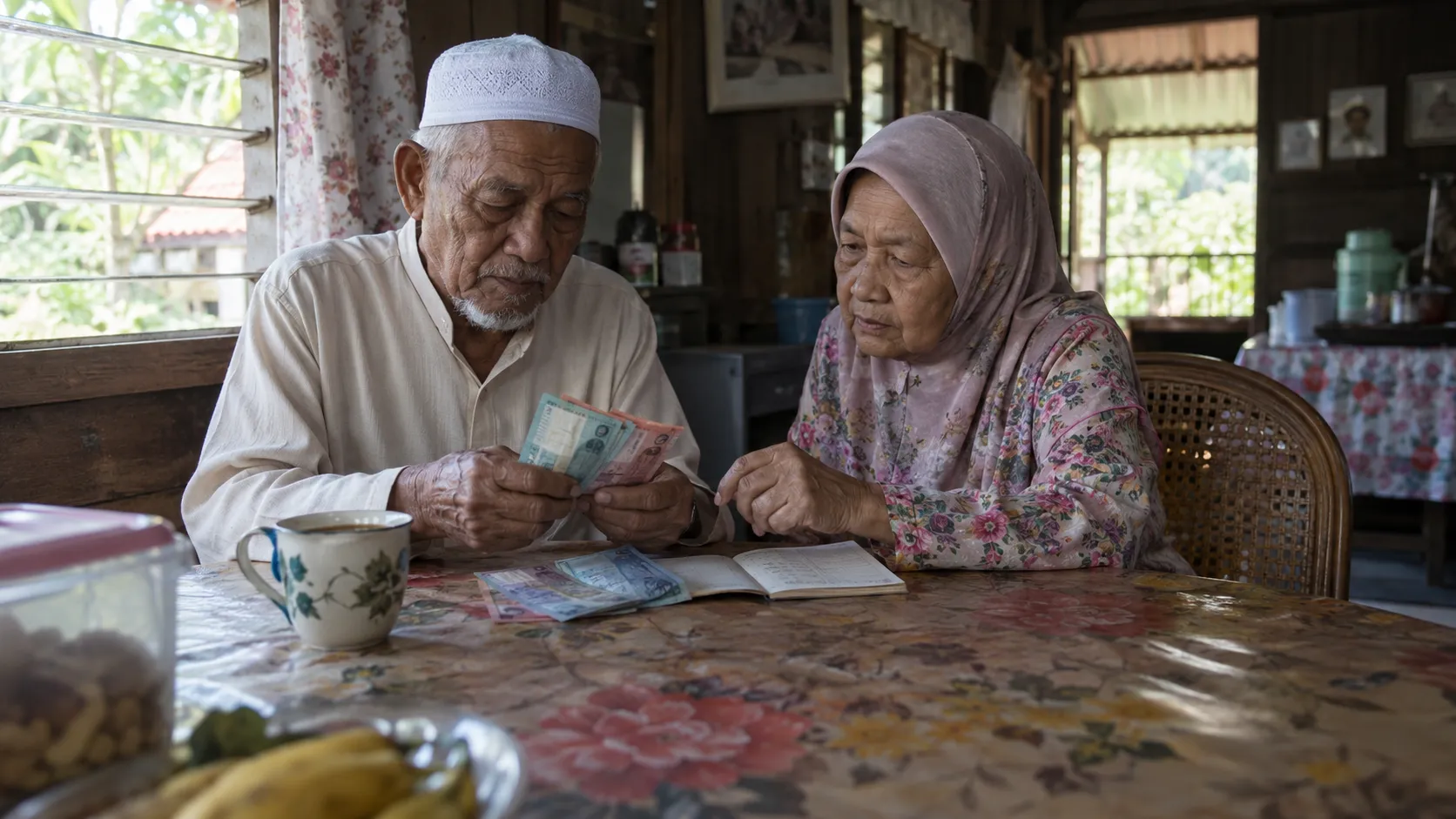
At Tabung Haji’s size there was no real choice. By mid-2021 it held almost RM82 billion in deposits, about a tenth of everything in Malaysia’s Islamic banking system, plus RM36 billion of corporate sukuk it would have had to sell into a thin market to meet a run. Every ringgit of those deposits is guaranteed by the federal government under Section 24 of the Act, with no cap. The religious affairs minister told the Dewan Rakyat in August 2026 that a collapse would have landed a liability of RM74.5 billion on the government. And the 2019 episode had already shown what one bad number does to depositor behaviour. Announcing the full picture, in Zafrul’s account, would have made the position worse for the people it was meant to protect: the pakcik and makcik with a few thousand ringgit in the account, saving for one trip.
4. The rescue, and what it cost you
The restructuring started in 2018, before Zafrul was in government. The Ministry of Finance set up a company called Urusharta Jamaah Sdn Bhd in December that year and moved Tabung Haji’s worst assets into it: 106 listed shareholdings, 29 properties and a plantation estate in Sri Aman, Sarawak. Those assets were worth RM9.7 billion at market. Urusharta Jamaah paid RM19.9 billion for them, in RM300 million of cash and two government-backed sukuk of RM10 billion and RM9.6 billion. The RM10.2 billion difference is the hole, and it moved from Tabung Haji’s balance sheet to the taxpayer’s.
When Zafrul arrived at the Ministry of Finance in March 2020 he had that structure reviewed. The ministry looked at it, Bank Negara looked at it, and two independent consultants were brought in. All of them landed on the same answer: it was the right way to restructure the fund, and there had been no political interference in it. The RCI later reached the same conclusion after weighing the alternatives. A direct cash injection of more than RM10 billion would have strained public finances, calling the Section 24 guarantee would have bought time without fixing the asset quality, and booking the losses as deferred assets broke the accounting standards.
That does not make it cheap. The first sukuk has since been refinanced into RM11.5 billion at 3.825 per cent, the second falls due in May 2029, and the commission called the sukuk obligation the biggest long-term challenge left. The property inside Urusharta Jamaah had fallen from RM2.25 billion to RM1.2 billion by the end of 2021. In August 2026 the Ministry of Finance put the total taxpayer cost at RM13 billion. Zafrul’s own contribution came in July 2021, when Tabung Haji was made a prescribed institution under Section 223 of the Islamic Financial Services Act, putting it under Bank Negara’s supervision with the checks a bank has to live with.
5. Why the report sat in a drawer for four years
The Cabinet first flagged the need for an inquiry in August 2020 and agreed to establish the RCI in July 2021, both under Muhyiddin Yassin. Ismail Sabri’s government finalised the terms and, in January 2022, appointed the six commissioners, chaired by former Chief Justice Md Raus Sharif. The report was signed on 19 July 2022 and submitted to the Agong at the end of August. Nothing more was said publicly until 29 July 2026.
Zafrul’s explanation is the same reason nobody shouted. The report was held so the restructuring could be finished first. Publish the detail while the fund is still fragile and you risk setting off the run that would make every problem in the report worse. Anwar Ibrahim said as much when it was released. Whether four years was the right length is a fair argument. The Edge’s June 2026 interview with the current chairman, Tan Sri Abdul Rashid Hussain, who took over in late 2023, is the best account of how the recovery ran from the inside.
What the delay bought is visible in the 2025 accounts. Tabung Haji declared a hibah of 3.50 per cent after zakat, its highest in eight years, paying RM3.22 billion to 9.70 million depositors. Assets of RM98.58 billion sat above liabilities of RM95.63 billion. Depositors’ savings, which stood at RM75.4 billion in 2018, reached RM93.4 billion. The fund says it has implemented three-quarters of the RCI’s 25 recommendations, and it has published a booklet walking depositors through the findings.
6. The fault sits inside one institution
The reflex after a scandal like this is to ask what is wrong with Malaysia. Zafrul rejects the framing, and he has comparisons ready. There was Enron. In Indonesia, the founder of eFishery was sentenced to nine years in April 2026 for inflating revenue, a fraud that cost KWAP, the civil service pension fund, about RM163 million. Malaysia has its own list, and he names it: 1MDB, FGV, the questions around Felda.
His point is where the fault sits. PNB, EPF and Khazanah are not having this problem. Bank Negara is still respected by the people who move money for a living. S&P rates the country A-, Moody’s A3 and Fitch BBB+, all with stable outlooks, and Moody’s reaffirmed its view in July 2026. The failure is at the micro level, inside one institution, in how its board and management behaved. What disappoints him is that it happened at an institution set up to protect ordinary Malaysians, and he is clear that none of this is an excuse.
7. The fix is the one he already used at the Ministry of Finance
Zafrul’s remedy is the one a listed company already lives with. Bursa and the Securities Commission force quarterly reporting because transparency leads to better governance, and better governance leads to better outcomes for everyone with a stake, staff included. As Finance Minister he applied that to the government’s own spending. LAKSANA, the unit set up in March 2020 to track the Covid stimulus packages, published a report every week, 34 in all between April and December 2020, on how many people had received each measure and what it had cost. In his telling, earlier governments announced the policy and kept the implementation to themselves. Once you are reporting outcomes in public every week, execution improves, because you are under the microscope.
The same logic ran through the design of the aid. The Geran Khas Prihatin for stall owners required a local council licence, which pushed unlicensed traders to register and built a database at the same time, and a MyKasih card pilot that restricted what aid money could buy became the template for today’s SARA. At MITI he had the same discipline applied to the industrial master plan and the semiconductor strategy: report progress to the public, because the rakyat is the shareholder.
The RCI’s recommendations read like the same idea applied to Tabung Haji. Calculate hibah from audited accounts rather than proforma figures. Replace the National Audit Department with a private accounting firm. Bar active politicians from the board and its subsidiaries, set competency criteria, and have the Prime Minister appoint the board and CEO on an independent committee’s advice. Split oversight, with the religious affairs minister running the hajj and the finance minister watching the money. Raise the minimum deposit for automatic hajj registration from RM1,300 to RM12,980, which the commission projects would cut the queue from about 130 years to 33.
What to actually do with this
- Your deposit is guaranteed by the federal government under Section 24 of the Tabung Haji Act, without a cap, and that has not changed. Pulling money out on a headline hurts the fund and the people who stay in it.
- Read a hibah the way the RCI reads it. Ask whether the payout comes from audited profit or from a valuation somebody chose. The same question applies to any fund promising you a return.
- Treat Tabung Haji as what it is, a guaranteed hajj savings vehicle. Compare its 3.50 per cent with a fixed deposit or ASB, never with an equity fund.
- If the RM12,980 minimum for automatic hajj registration is adopted, the rules of the queue change. Register early if the hajj is the goal.
- Read Tabung Haji’s RCI booklet, and the report itself if you have an hour. The 25 recommendations are the checklist for whether the fund is fixed.
- Judge any institution holding your money by who sits on its board and how it reports. The awards it wins for the parts that work, like the hajj operation, are a separate matter.
The scandal was a governance failure at one institution, and it was kept quiet because the news would have done depositors more damage than the losses already had. Zafrul’s reading is the least dramatic one on offer. The rules were there, the people did not follow them, and the fix is to make the fund report its numbers in public the way a listed company does. The report is out now, and whether anyone is prosecuted is still with the AGC.
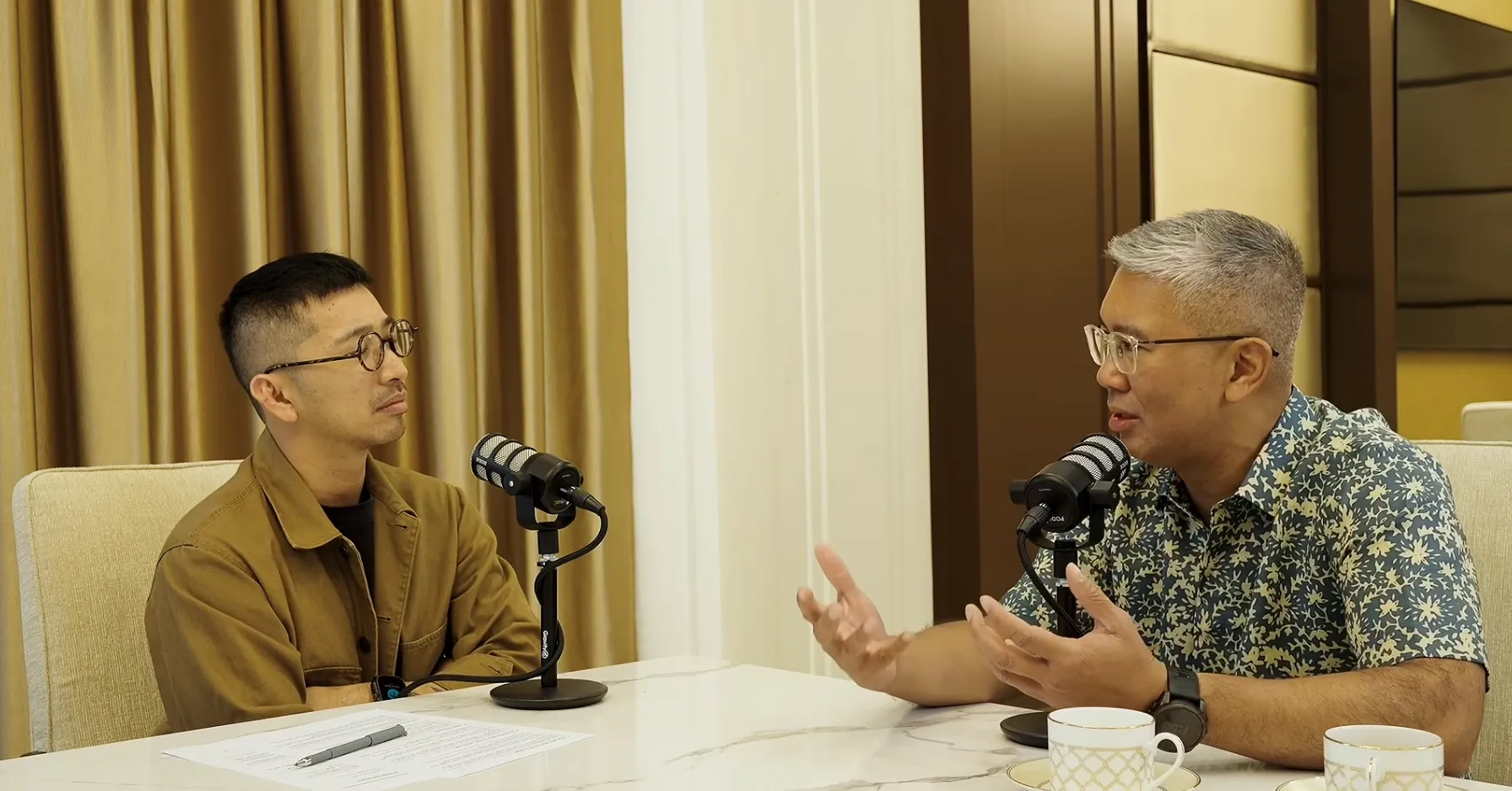
We went through all of this with Zafrul on the channel, including why wages stay low while GDP grows and why he gave up a bank CEO’s pay for a minister’s. He now chairs MIDA: